1. Ignoring Soil Quality: The Foundation of Success
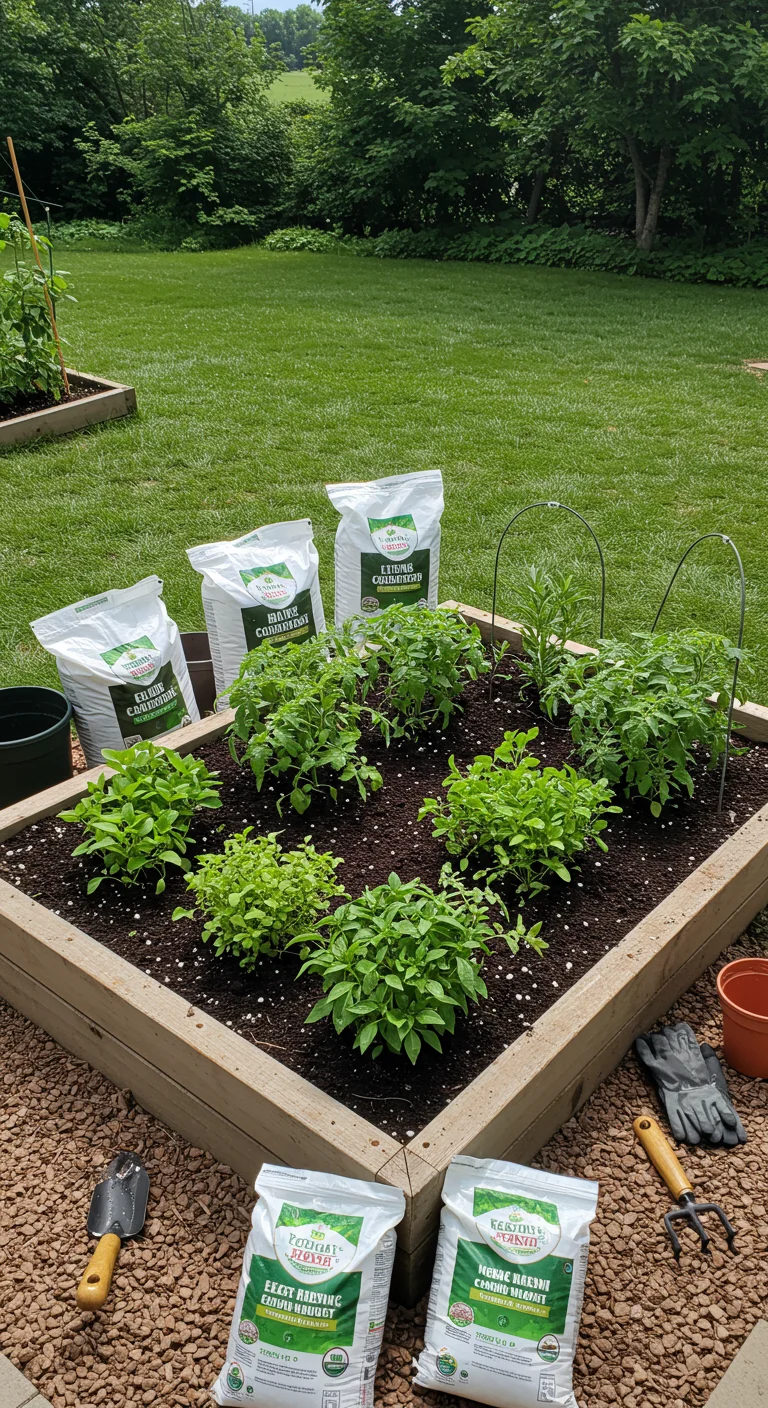
Ignoring soil quality is one of the most significant mistakes gardeners make when establishing raised beds. Healthy soil is the foundation of a thriving garden, providing essential nutrients, proper drainage, and a conducive environment for beneficial microorganisms. Begin by assessing your soil’s pH and nutrient levels, then choose a blend of organic materials like compost, well-rotted manure, and peat moss to create a rich, fertile mix. This not only enhances plant growth but also improves moisture retention and aeration. Regularly amend your soil with organic matter and test its quality annually, ensuring your raised bed remains a productive and sustainable garden for years to come.
2. Overcrowding Plants: The Perils of Poor Spacing
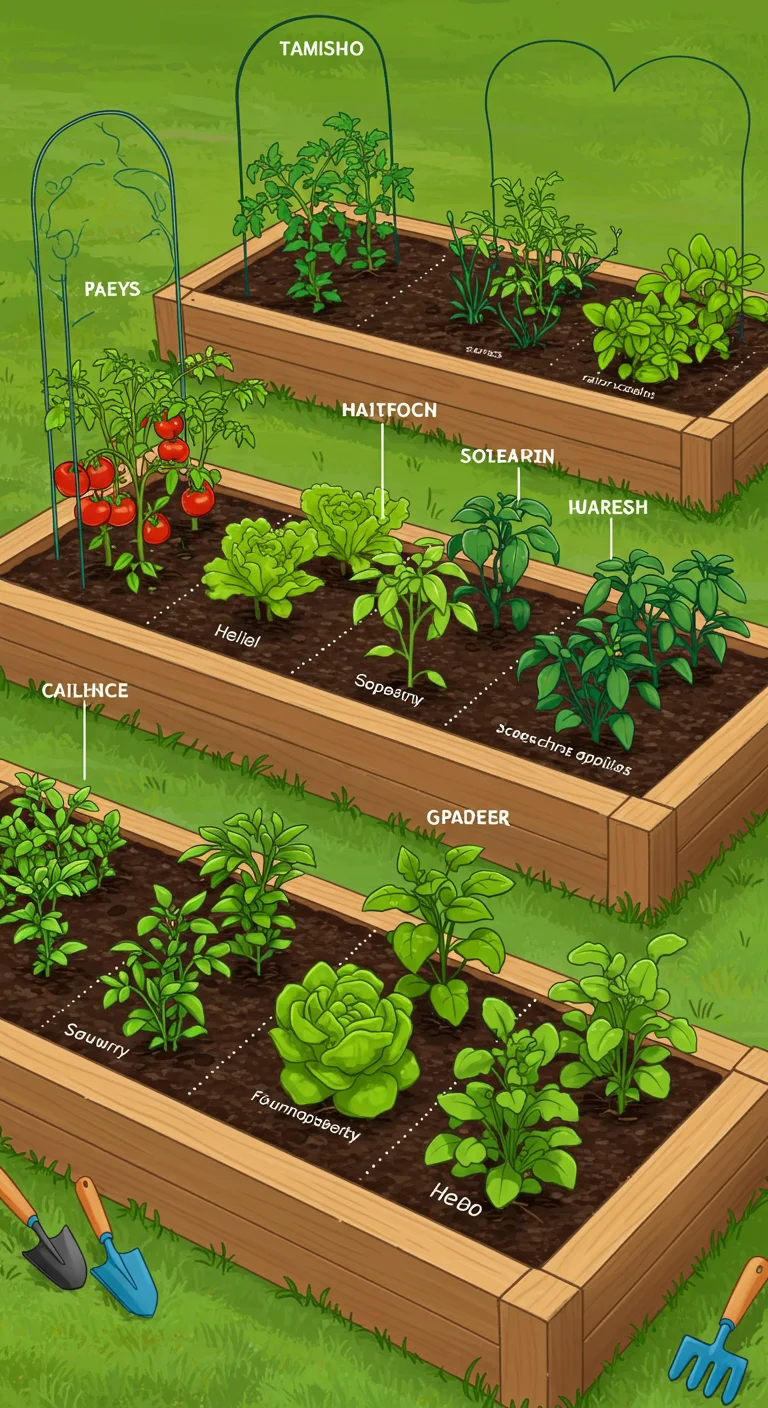
Overcrowding plants in raised bed gardening is a common mistake that can lead to numerous problems, including stunted growth, increased competition for nutrients, and a higher risk of disease. When plants are spaced too closely together, they struggle to access essential resources like sunlight, water, and soil nutrients, ultimately resulting in poor yields. To avoid this, it’s crucial to adhere to recommended planting distances for each species. Research the mature size of your plants and consider their growth habits—some may spread wide, while others grow tall. Additionally, practicing companion planting can maximize space without overcrowding, allowing plants to thrive together. By ensuring adequate spacing, you promote better air circulation, reduce disease susceptibility, and create a healthier garden environment overall.
3. Neglecting Drainage: The Hidden Danger Beneath
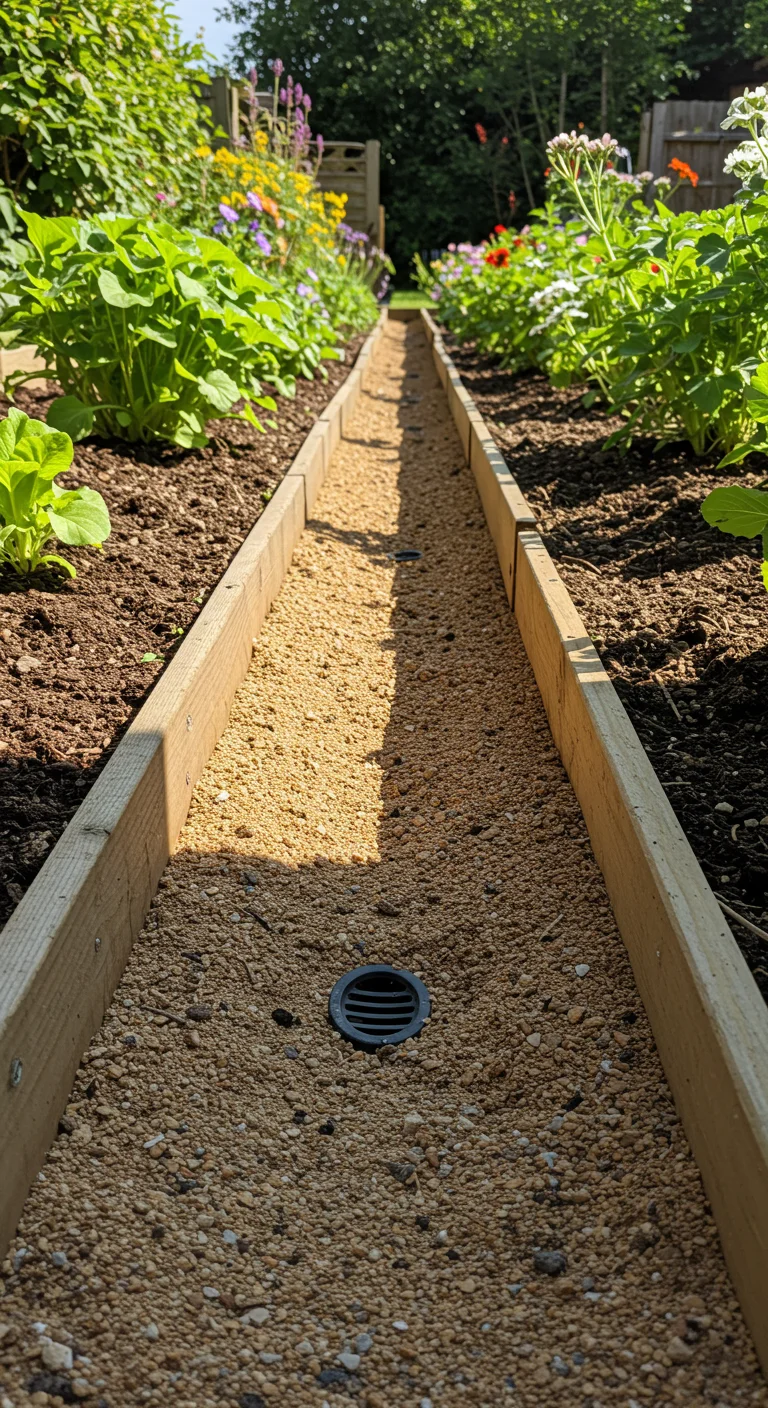
Neglecting drainage in raised bed gardening can lead to a myriad of problems, including waterlogging, root rot, and poor plant health. It is essential to ensure that your raised beds have adequate drainage to allow excess water to escape while retaining enough moisture for plant roots. One practical solution is to incorporate materials like gravel or coarse sand at the bottom of the bed before adding soil. Additionally, consider drilling drainage holes in the sides or bottom of the raised beds if they are constructed of non-permeable materials. Regularly monitoring soil moisture levels can help you determine if adjustments are needed and prevent stagnant water, which can cause detrimental effects to your plants. By prioritizing proper drainage, you can create a thriving environment for your garden to flourish.
4. Choosing the Wrong Location: Sunlight and Shade Missteps
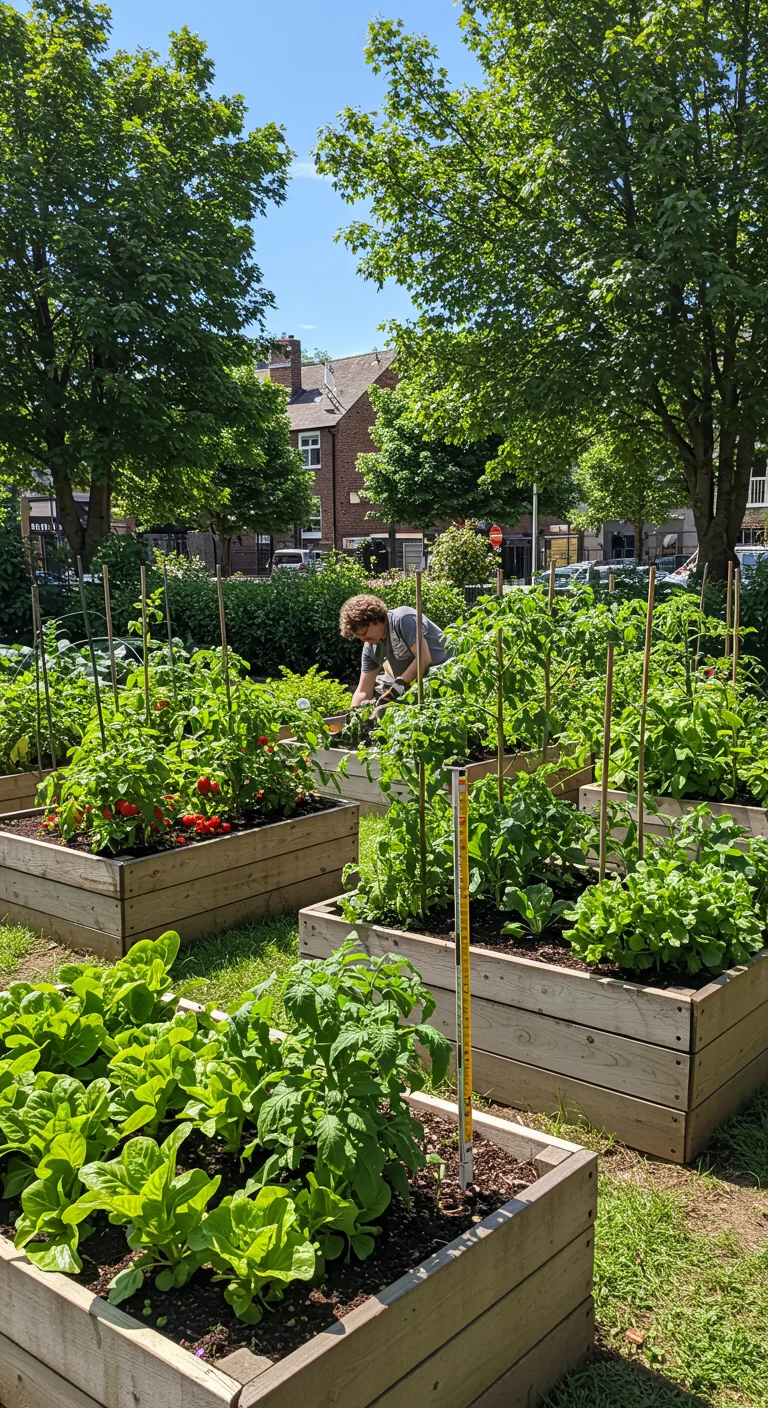
Choosing the wrong location for your raised bed garden can be a critical mistake, as both sunlight and shade play pivotal roles in plant health and productivity. Ideally, raised beds should be placed in areas that receive at least six to eight hours of direct sunlight daily, as many vegetables and herbs thrive in bright conditions. Conversely, positioning beds in overly shaded spots can stunt growth and reduce yields significantly. Additionally, consider the surrounding structures like trees, fences, and buildings that may cast shadows during certain times of the day. To avoid these missteps, observe the sunlight patterns throughout the day and plan your garden’s layout accordingly, ensuring that your plants receive adequate light while also considering their tolerance for shade, especially during the hottest months.
5. Failing to Rotate Crops: The Recipe for Disease Buildup
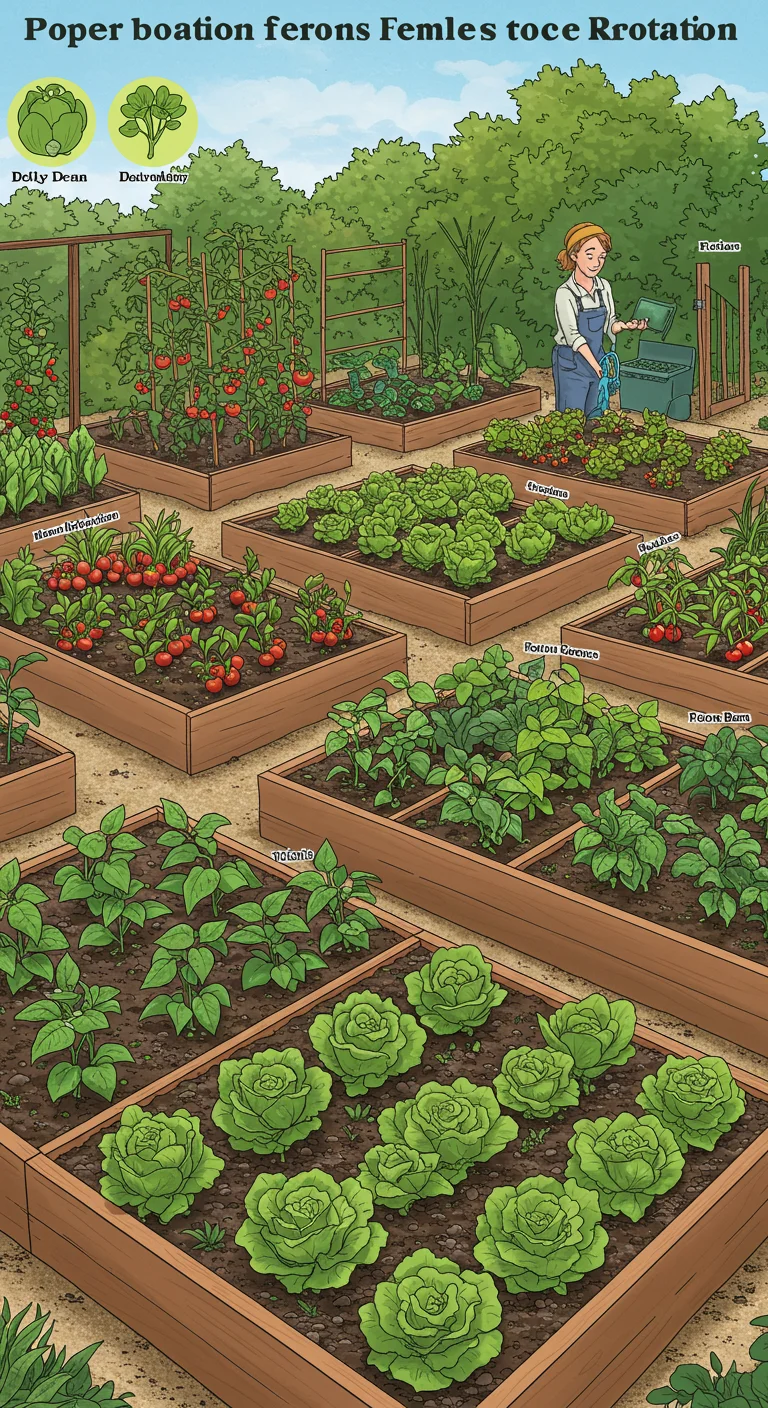
Failing to rotate crops is a common mistake in raised bed gardening that can lead to disease buildup and nutrient depletion in the soil. Planting the same crops in the same location year after year creates a hospitable environment for pests and pathogens that target specific plants. To mitigate this risk, gardeners should implement a crop rotation schedule, ideally changing the location of specific plant families each year. For instance, if you planted tomatoes in one bed this year, consider growing legumes or leafy greens in that same space next season. By diversifying your crops, you not only disrupt the life cycles of harmful organisms but also enhance soil fertility, as different plants have varying nutrient requirements. This simple practice can dramatically improve the health and yield of your raised bed garden over time.
6. Overwatering: The Silent Killer of Raised Beds
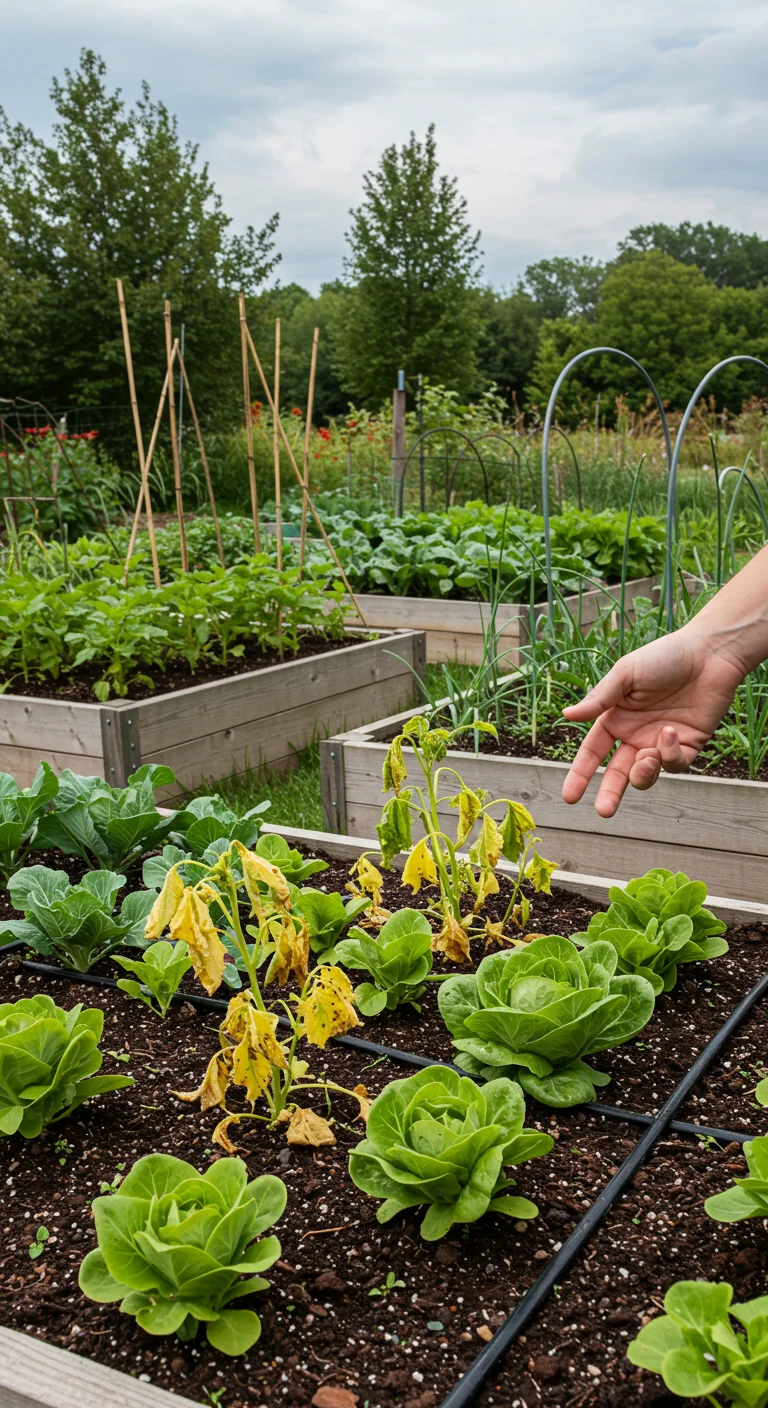
Overwatering is often an overlooked issue in raised bed gardening, yet it can be the silent killer of your plants. Unlike traditional garden plots, raised beds drain more quickly, which means excess water can accumulate at the roots, leading to root rot and other fungal diseases. It’s crucial to monitor your plants’ moisture levels carefully; the top inch of soil should dry out between watering sessions. Utilizing drip irrigation or self-watering systems can provide a consistent moisture level while preventing waterlogging. Additionally, incorporating organic matter like compost can improve soil drainage and retention, creating a healthier environment for your plants. Always check the weather; rainy days may require skipping your watering routine entirely to avoid saturating the soil.
7. Skipping Mulch: The Unsung Hero of Moisture Retention
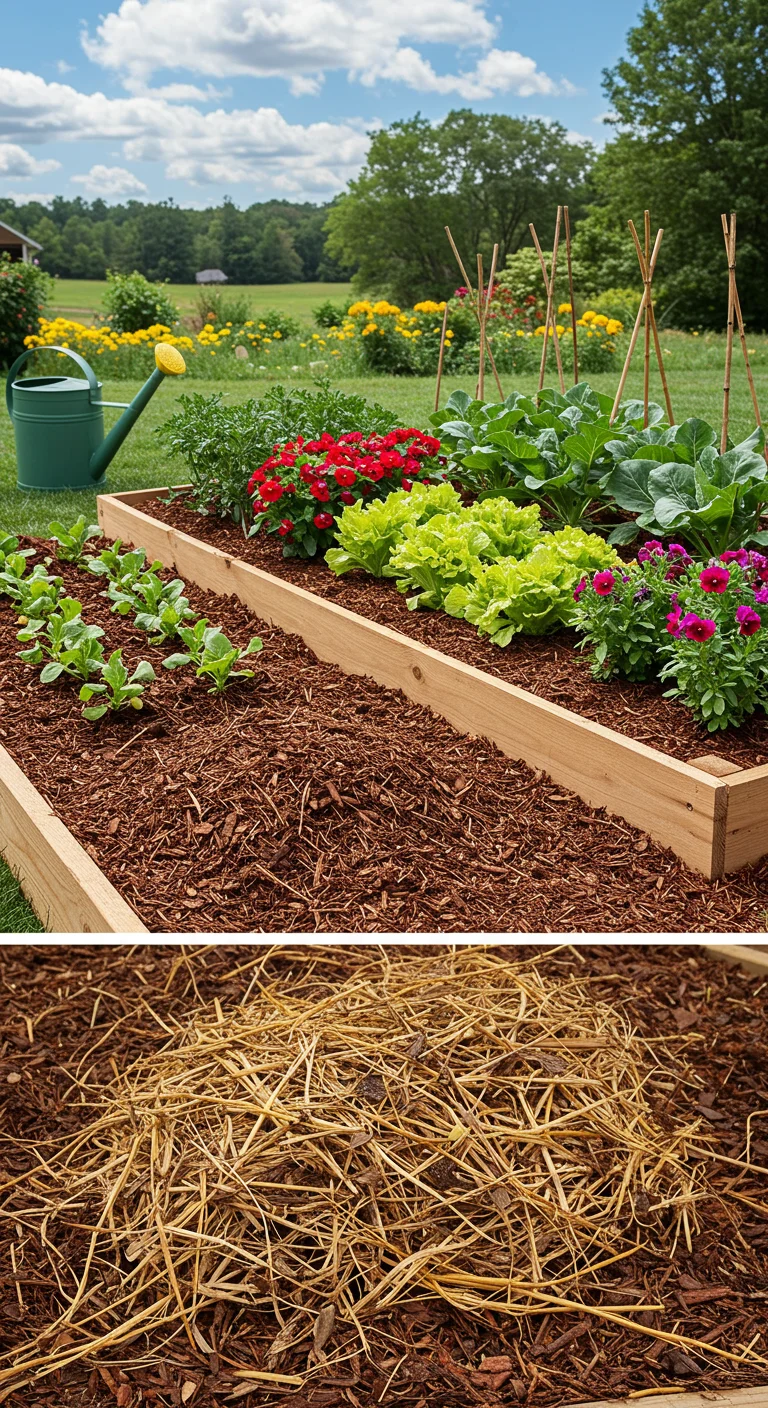
Skipping mulch is a common oversight in raised bed gardening, yet it serves as the unsung hero of moisture retention. When applied appropriately, mulch acts as a protective layer, reducing evaporation from the soil and keeping it consistently moist. It also helps regulate soil temperature, preventing extreme fluctuations that can stress plants. Organic mulches, like shredded leaves or straw, break down over time, enriching the soil with nutrients while suppressing weeds that compete for water and resources. To maximize its effectiveness, apply a layer of 2-4 inches around your plants, being careful to keep it away from the stems to prevent rot. By incorporating mulch into your gardening routine, you’ll not only enhance moisture retention but also promote a healthier, more productive garden.