1. The Resilient Rhododendron: A Shade-Loving Beauty
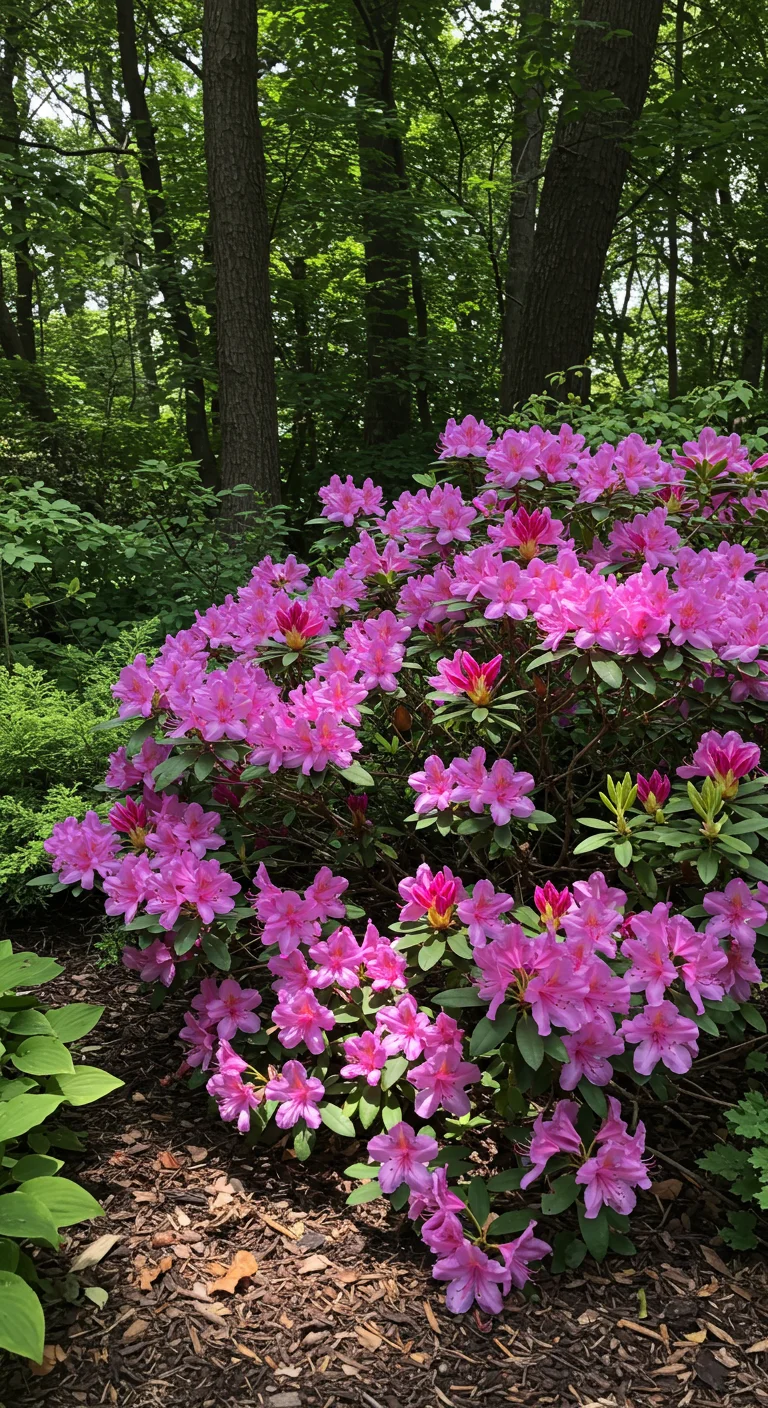
The resilient rhododendron is a stunning addition to any dry shade garden, thriving in conditions where many other plants struggle. Known for its lush foliage and vibrant blooms, this evergreen shrub can tolerate poor soil and limited sunlight, making it an ideal choice for shaded areas beneath trees or along north-facing walls. Rhododendrons prefer well-drained soil and can withstand drought once established. They come in a variety of sizes and colors, from deep purples to bright pinks, adding visual interest throughout the growing season. Regular watering during dry spells and a layer of mulch to conserve moisture can greatly enhance their resilience. With proper care, these hardy plants will not only survive but also flourish in your garden, providing beauty year after year.
2. Hellebores: The Winter Bloomers Thriving in Tough Conditions
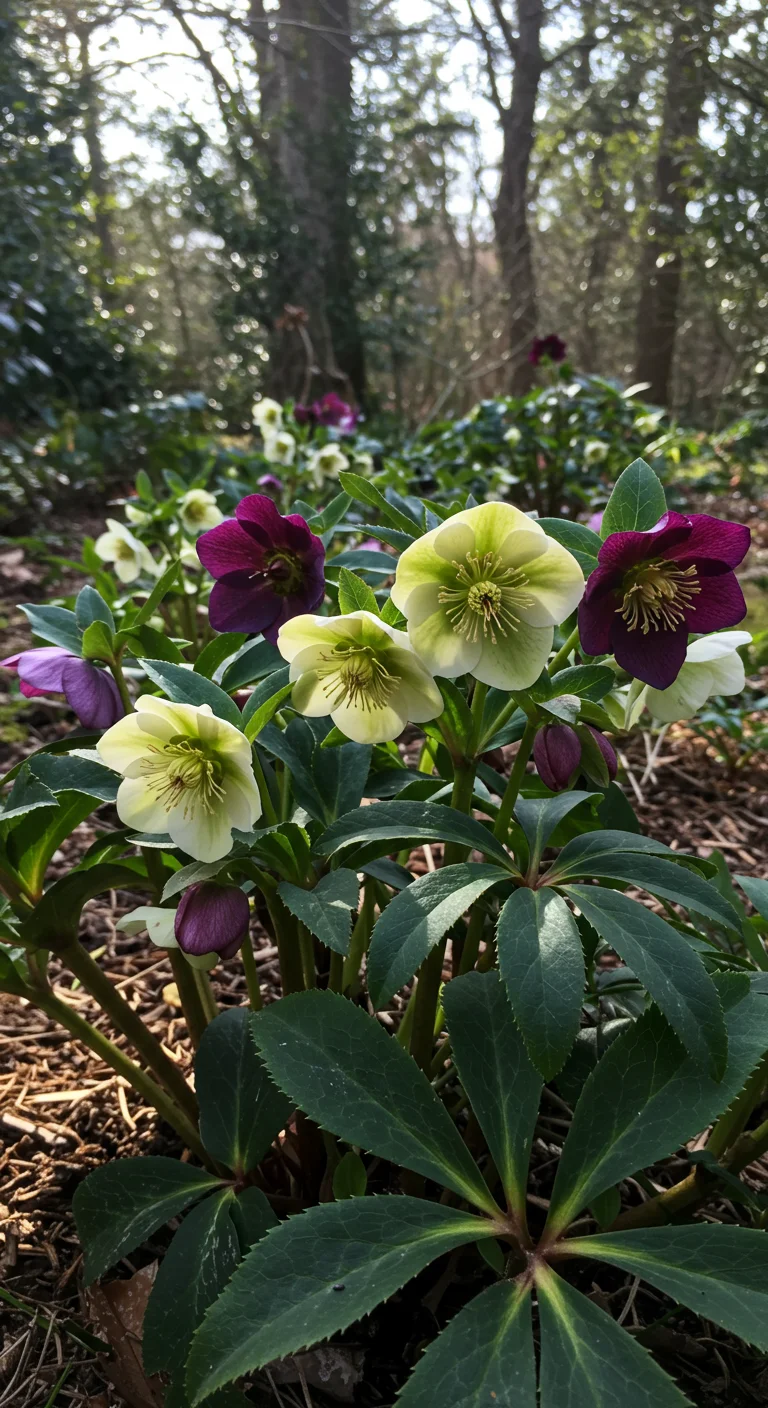
Hellebores, often referred to as the ‘Christmas Rose’ or ‘Lenten Rose’, are remarkable winter bloomers that thrive in dry, shaded conditions where many other plants struggle. With their leathery, evergreen foliage and delicate, cup-shaped flowers, they bring life to gardens even in the bleakest months. These hardy perennials bloom from late winter to early spring, offering a palette of colors ranging from white and pink to deep purple. Hellebores prefer well-drained soil and can tolerate drought once established, making them ideal for challenging environments. Additionally, they are relatively low-maintenance, as they are resistant to pests and diseases, allowing gardeners to enjoy their beauty with minimal effort. Planting them in clusters can create a stunning visual impact, brightening up shady areas with their unique charm.
3. Epimedium: The Ground Cover That Dares to Thrive
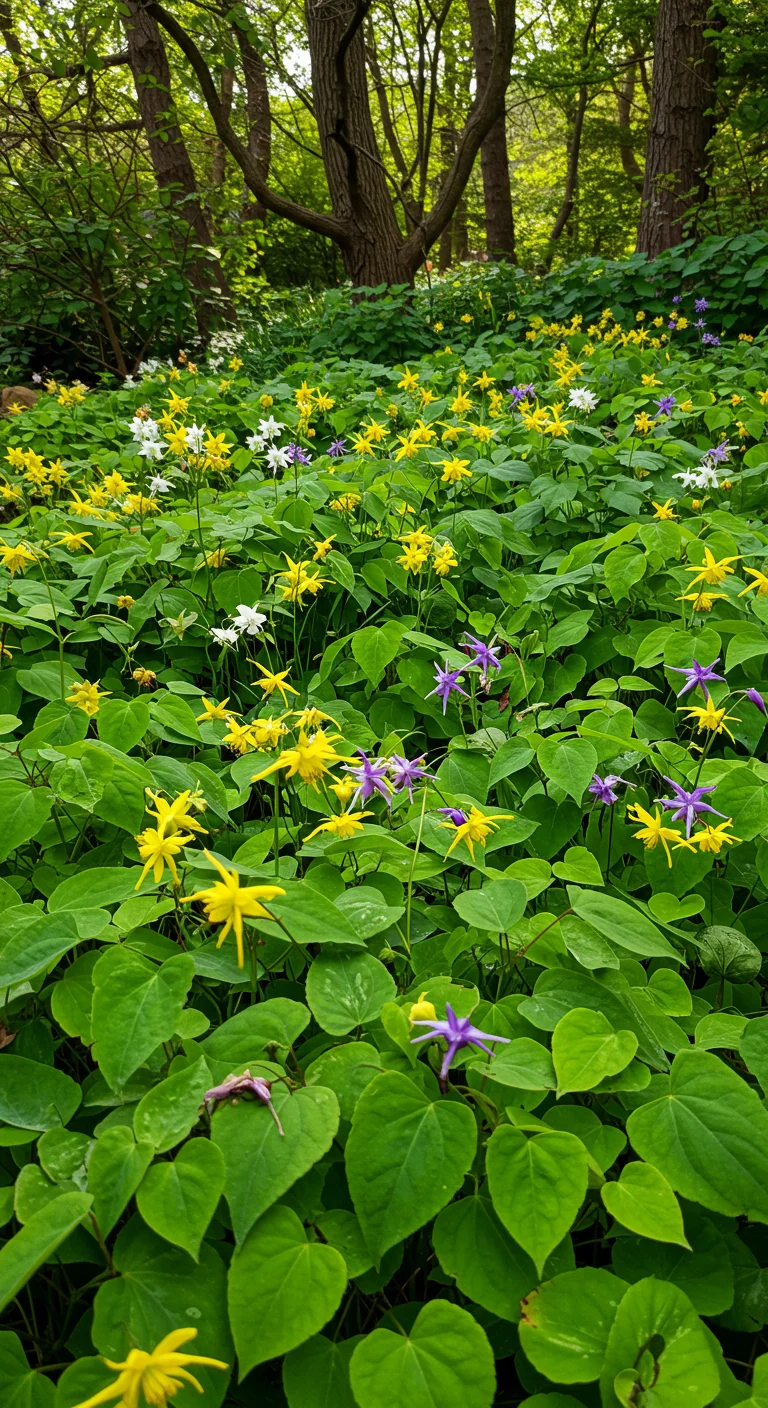
Epimedium, commonly known as barrenwort or bishop’s hat, is a resilient ground cover plant that excels in dry shade conditions. Its heart-shaped leaves create a lush carpet, while delicate flowers in shades of yellow, white, and purple emerge in spring, adding visual interest to shaded areas. This perennial thrives under trees or in spots where other plants struggle, as it tolerates drought and poor soil. Epimedium’s low-maintenance nature makes it ideal for gardeners seeking to fill tough spaces without constant care. Additionally, it attracts pollinators like bees, enhancing your garden’s biodiversity. Consider planting Epimedium in clusters to maximize its impact and enjoy a beautiful, carefree ground cover that dares to thrive in challenging environments.
4. Ferns of Steel: Discovering the Hardiest Shade Ferns
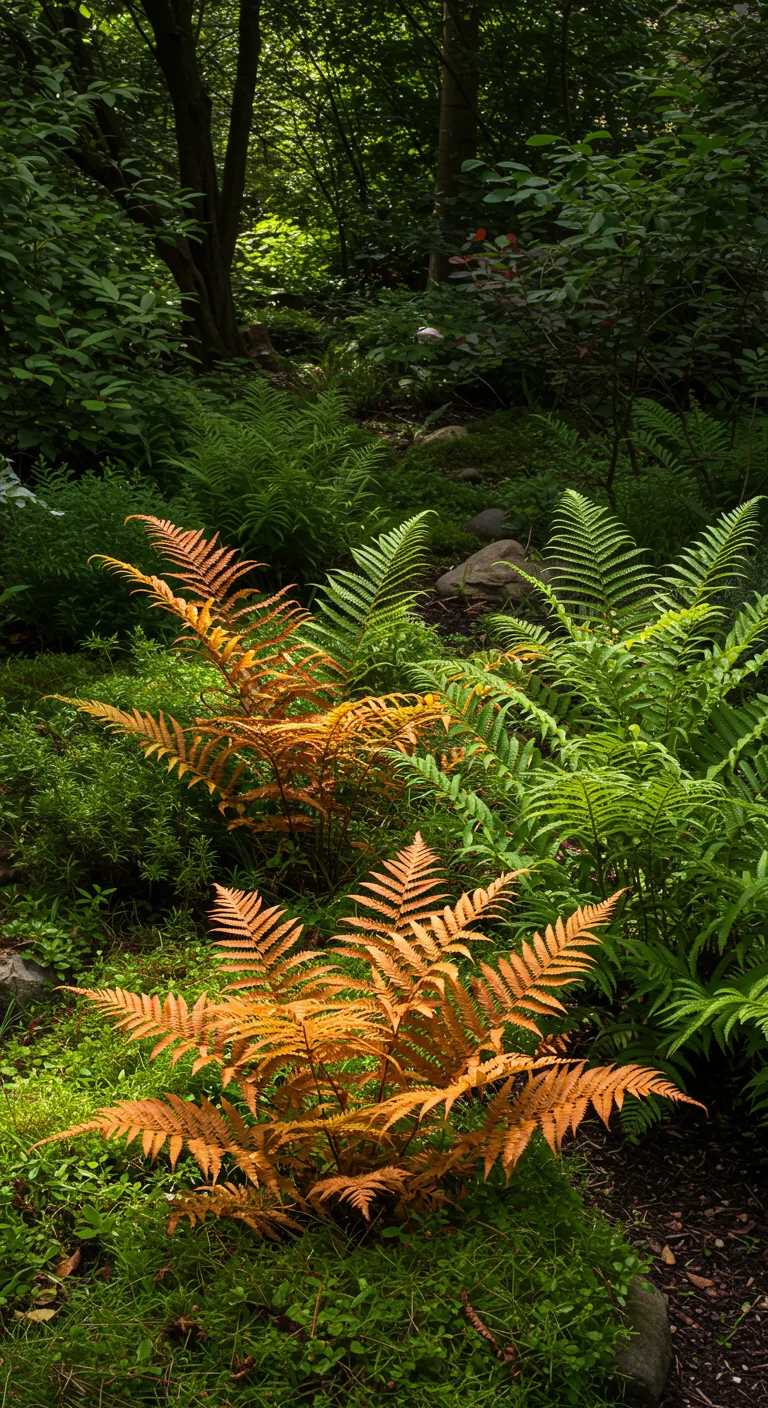
Ferns of steel, such as the Dryopteris erythrosora and the Polystichum acrostichoides, are exceptional choices for tough, dry shade areas. These hardy ferns not only thrive in low-light conditions, but they also exhibit impressive drought resistance once established. Dryopteris erythrosora, commonly known as the autumn fern, showcases vibrant coppery foliage that matures to deep green, adding a splash of color to shaded gardens. Meanwhile, the Christmas fern, Polystichum acrostichoides, boasts evergreen fronds that provide year-round interest. Both species are low-maintenance and can tolerate poor soil, making them ideal for challenging landscapes. Incorporating these ferns can enhance the texture and depth of your garden while ensuring resilience against the harsh conditions of dry shade.
5. Heuchera: Colorful Leaves for Dappled Light and Dry Soil
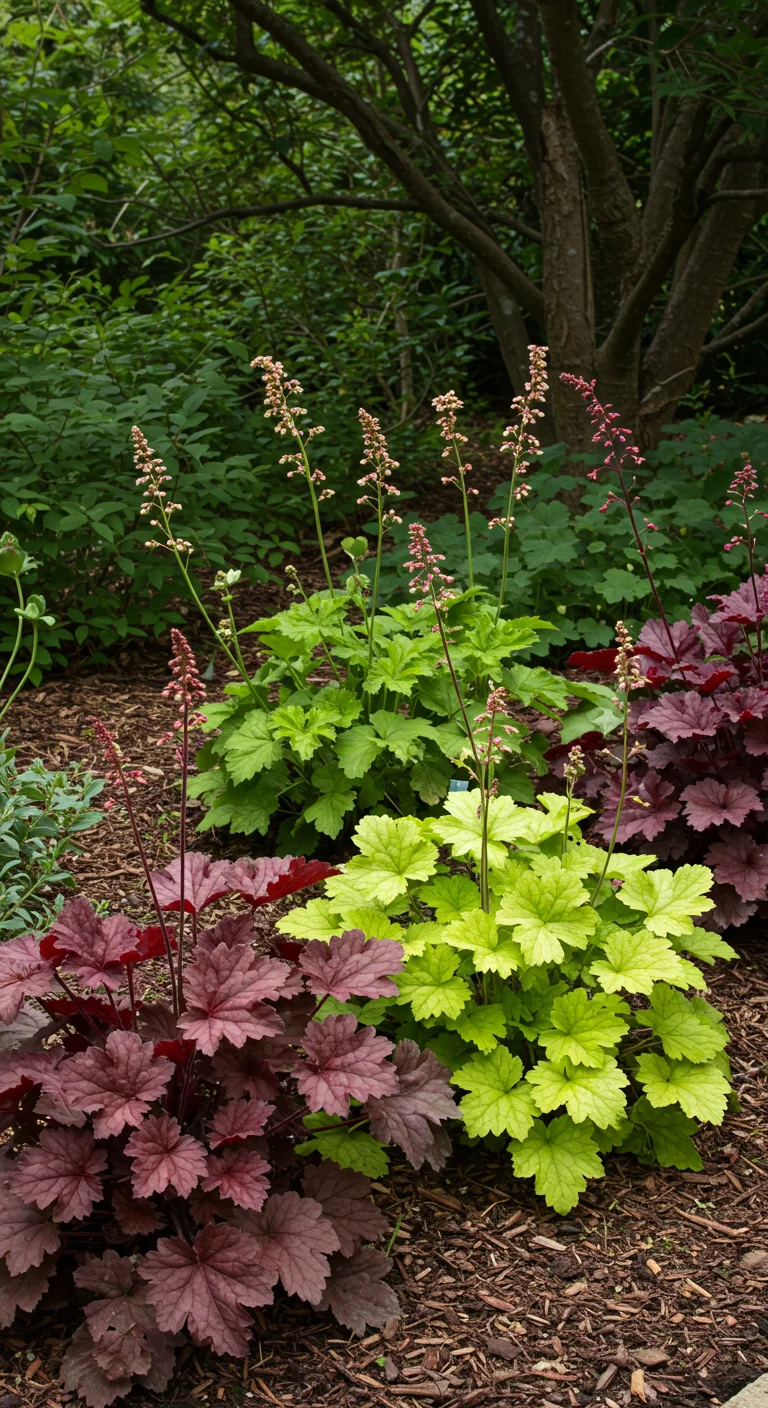
Heuchera, commonly known as coral bells, is an excellent choice for gardeners seeking vibrant foliage in dappled light and dry soil. With a variety of leaf colors ranging from deep burgundy to bright lime green, Heuchera adds a striking visual element to shaded areas. This perennial thrives in well-drained soil and requires minimal watering, making it ideal for dry conditions. Its compact growth habit allows it to fit well into borders or container gardens. Additionally, Heuchera produces delicate flower spikes in summer, attracting pollinators like bees and hummingbirds. To maximize its health and color vibrancy, plant Heuchera in a location that receives partial shade, particularly in the afternoon, and ensure it is mulched to retain moisture during dry spells.
6. Japanese Forest Grass: A Graceful Addition to Dry Shade
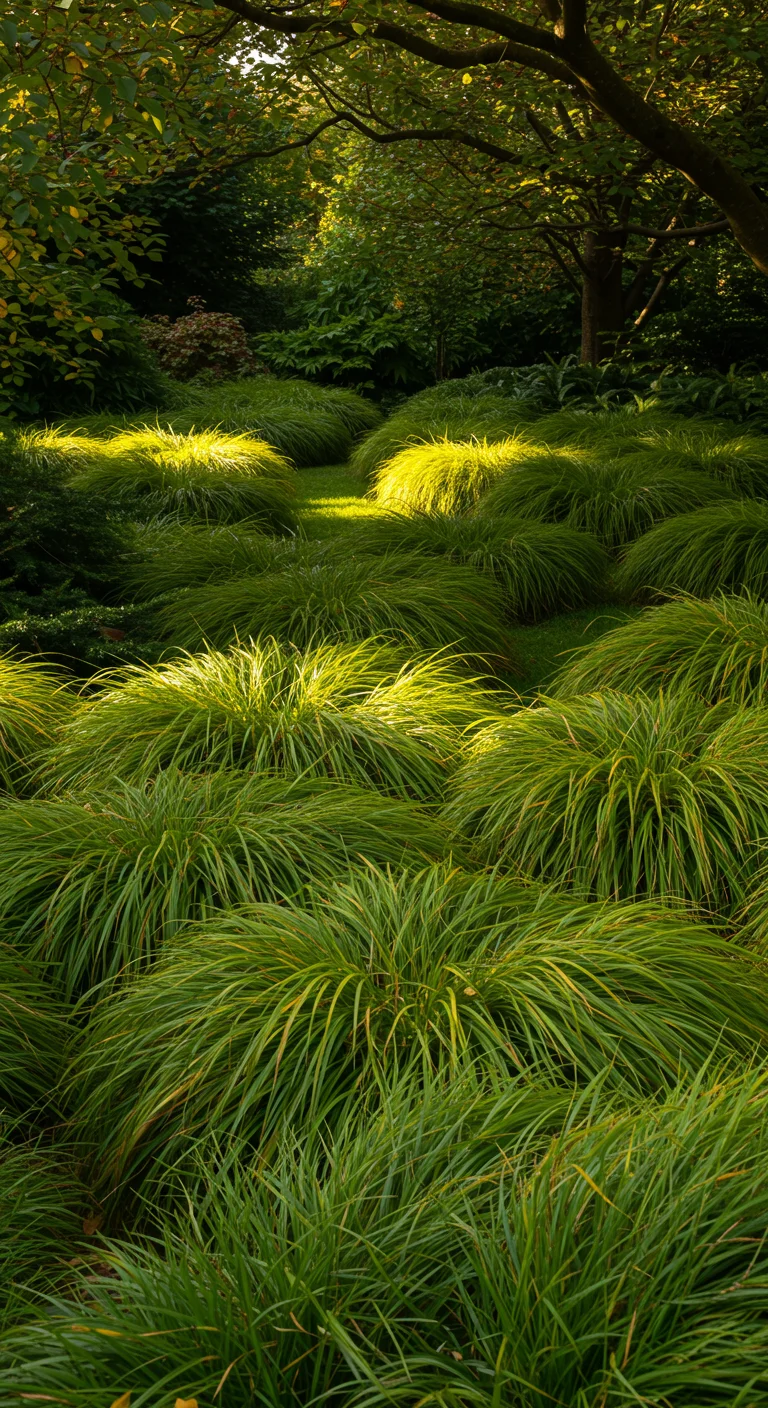
Japanese Forest Grass (Hakonechloa macra) is a stunning perennial that thrives in dry shade, making it an ideal choice for challenging garden areas. Its graceful, arching foliage creates a lush, flowing effect that softens hard edges and brings movement to shaded spots. This grass prefers well-drained soil and can tolerate periods of drought once established, but it does benefit from occasional watering during prolonged dry spells. With its vibrant green leaves that turn golden-yellow in the fall, Japanese Forest Grass adds seasonal interest and texture to any landscape. Plant it in groups or as a ground cover under trees to enhance the aesthetic appeal of shaded areas, while also providing a habitat for beneficial wildlife.
7. Dead Nettle: The Unassuming Ground Cover That Shines
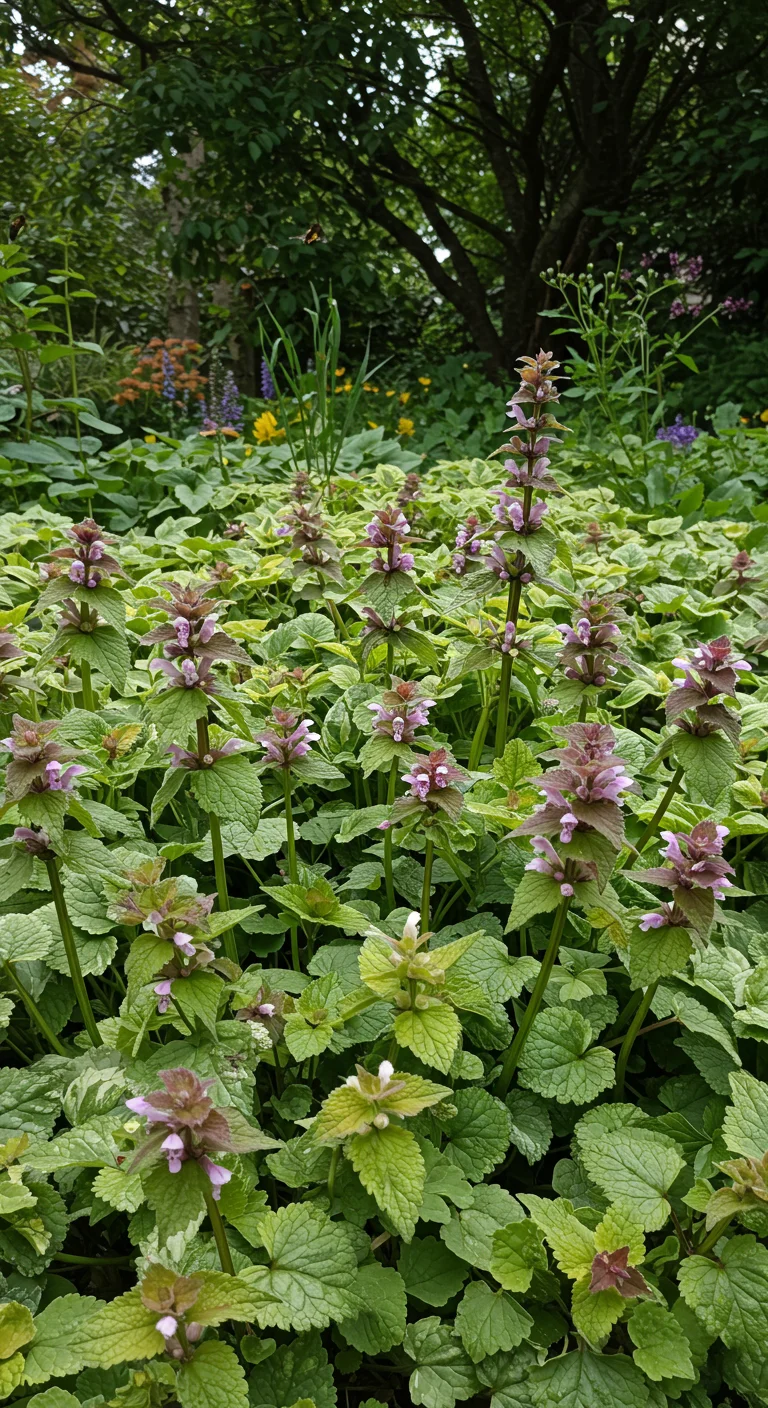
Dead Nettle (Lamium maculatum) is a remarkably resilient ground cover plant that thrives in dry, shady conditions, making it an ideal choice for challenging garden spaces. Its attractive foliage, often variegated with silvery or golden edges, provides year-round interest, while its delicate, tubular flowers bloom in spring and early summer, attracting pollinators like bees and butterflies. This low-maintenance perennial is drought-tolerant once established, and its spreading habit helps to suppress weeds, making it an excellent choice for filling in bare spots. Moreover, Dead Nettle adapts well to various soil types and can tolerate poor soil conditions, allowing gardeners to create lush, vibrant areas even in the most unforgiving environments. Consider planting it under trees or in shaded borders for a touch of color and texture that shines throughout the seasons.
8. Tiarella: Foamflower’s Delicate Charm in Tough Environments
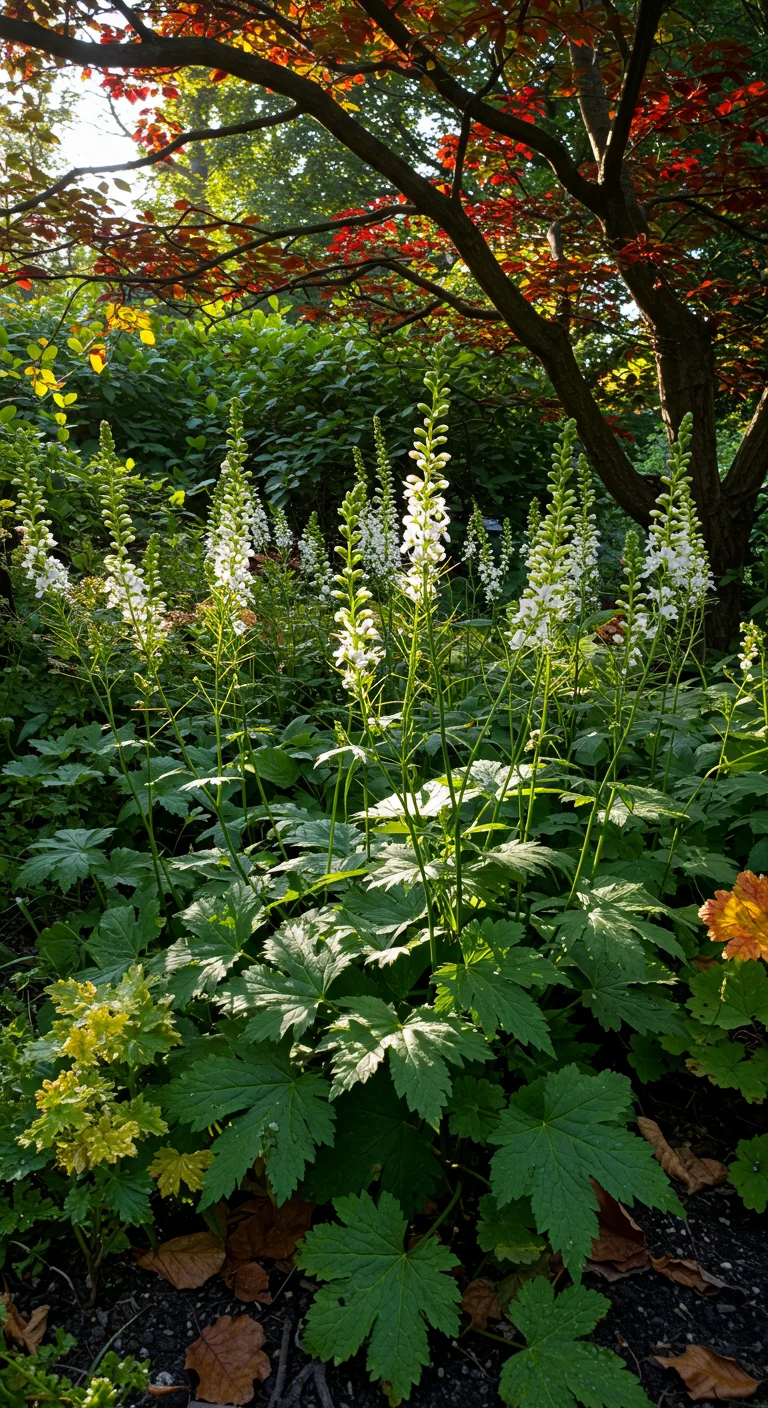
Tiarella, commonly known as foamflower, is a charming perennial that thrives in dry shade, making it an excellent choice for challenging garden conditions. With its delicate, foamy flower spikes and attractive foliage, Tiarella not only adds visual interest but also helps stabilize soil with its fibrous roots. This plant prefers well-drained soil and can tolerate slightly acidic to neutral pH levels. Foamflower is ideal for woodland gardens or shaded borders, where it can create a lush carpet of green throughout the growing season. Its ability to withstand drought once established makes it a resilient option for gardeners looking to enhance shaded areas with minimal maintenance. Additionally, Tiarella’s foliage can display beautiful autumn colors, adding seasonal appeal to your landscape.
9. Solomon’s Seal: An Elegant Survivor in Shady Corners
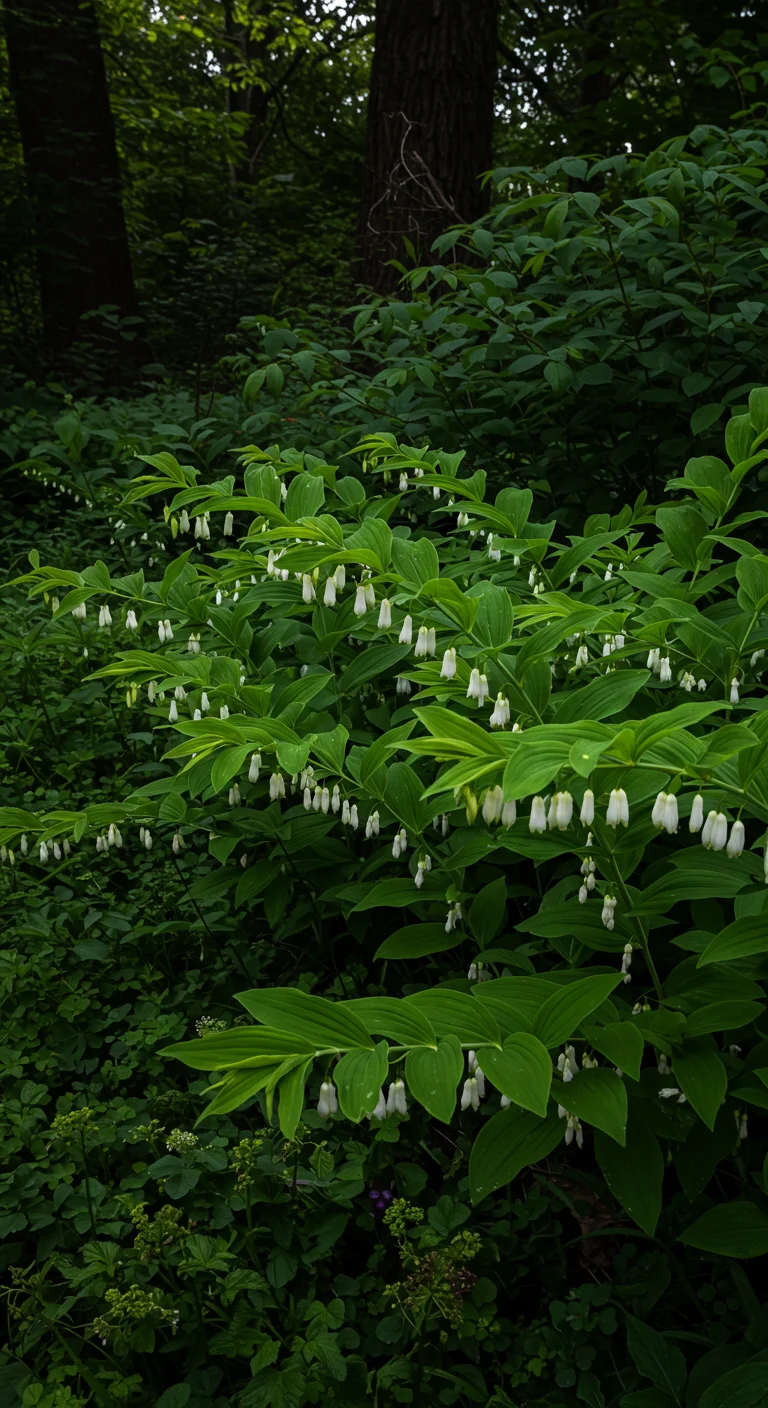
Solomon’s Seal (Polygonatum spp.) is a resilient perennial that thrives in dry shade, making it an ideal choice for gardeners looking to beautify dimly lit areas. This elegant plant features arching stems adorned with dangling, bell-shaped flowers in spring, followed by attractive, oval leaves that provide texture throughout the season. Its ability to tolerate poor soil conditions and minimal moisture makes it a survivor in challenging environments. Plant Solomon’s Seal in groups for a striking effect, allowing their graceful form to create layers in your garden. This hardy plant is also deer-resistant and can attract pollinators, adding ecological value while enhancing the beauty of your shady corners.
10. Brunnera: The Forget-Me-Not’s Tougher Cousin
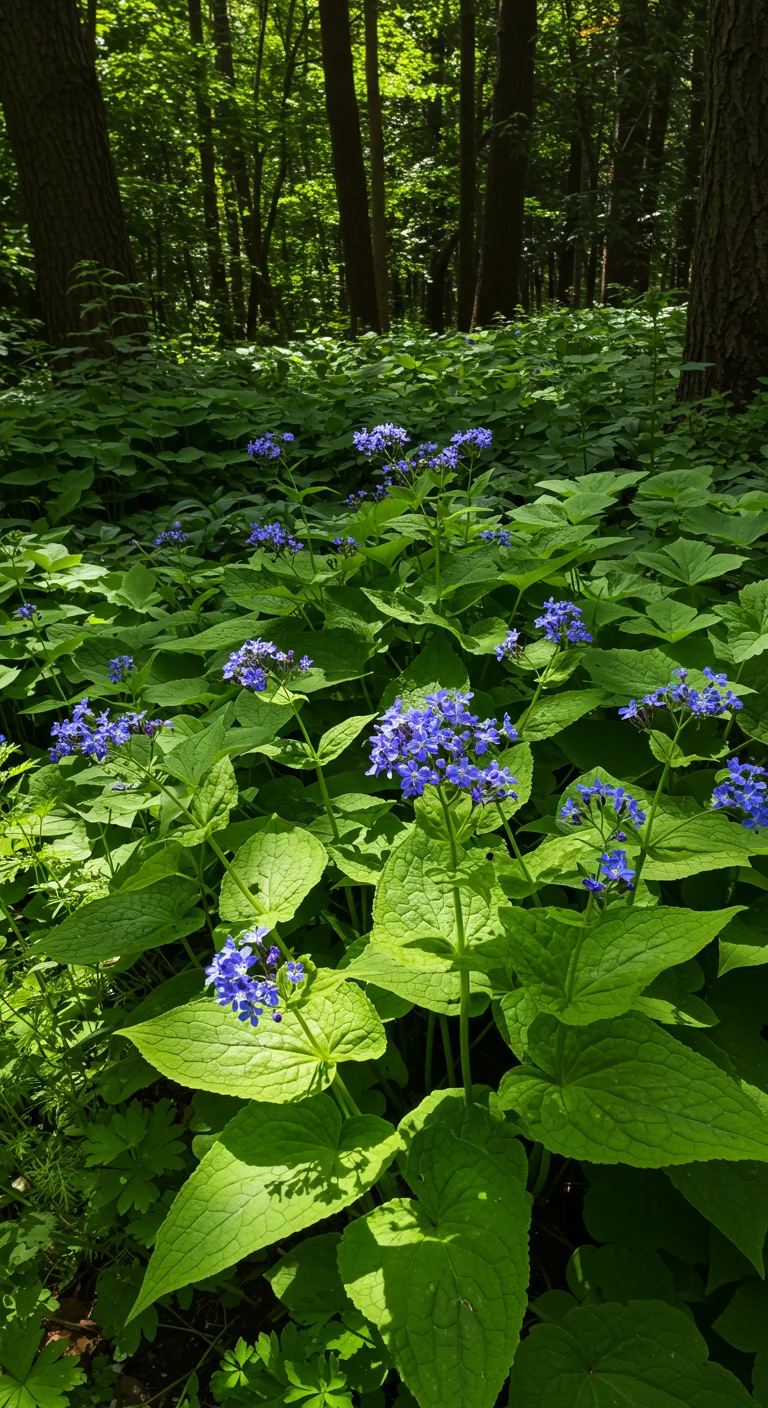
Brunnera, often referred to as the ‘false forget-me-not,’ is an excellent choice for gardeners looking to fill dry shady areas with resilience and beauty. With heart-shaped leaves that can reach up to 12 inches in width and delicate clusters of bright blue flowers, Brunnera not only thrives in low-light conditions but also handles drought better than many other shade-loving plants. Its foliage is a striking backdrop that remains attractive even when flowers fade. Brunnera macrophylla, in particular, is known for its robust nature, making it ideal for woodland gardens or shaded borders. Additionally, its ability to spread gradually means it can fill in gaps without being invasive, offering a perfect solution for those tricky dry shade spots in your landscape.
11. Wild Ginger: A Low-maintenance Wonder for Dry Shade
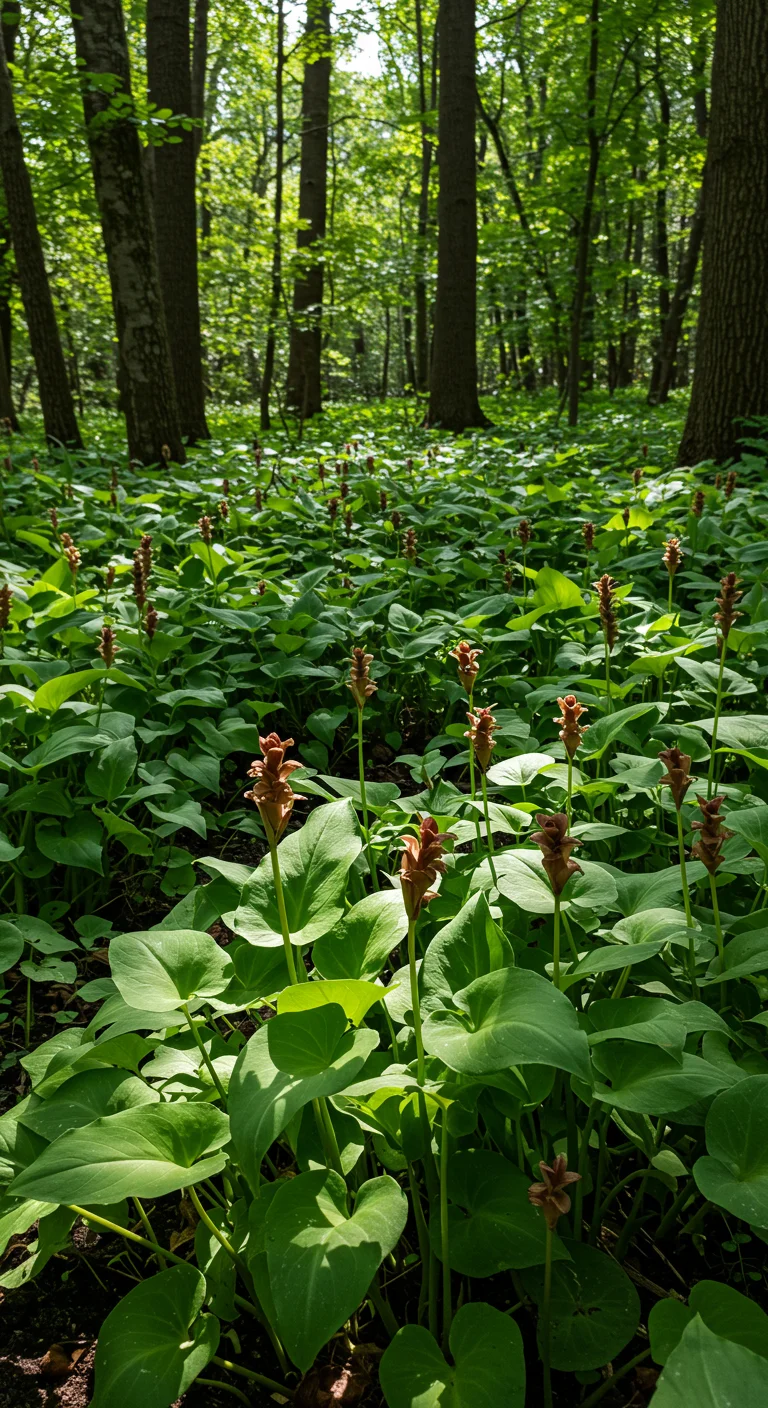
Wild Ginger (Asarum canadense) is a remarkable choice for gardeners dealing with challenging dry shade conditions. This perennial plant thrives in low-light environments, making it ideal for spaces beneath trees or in areas that receive minimal sunlight. Wild Ginger features heart-shaped leaves that create a lush carpet effect, while its unique, bell-shaped flowers, typically brownish-purple, bloom discreetly close to the ground, adding a subtle charm to the landscape. Additionally, this plant requires very little maintenance; once established, it is drought-tolerant and pest-resistant, making it an excellent option for gardeners seeking a resilient, low-care solution. Its ability to spread steadily also helps suppress weeds, ensuring that your garden remains tidy and vibrant with minimal effort.
12. Barrenwort: The Underrated Hero of Shaded Gardens
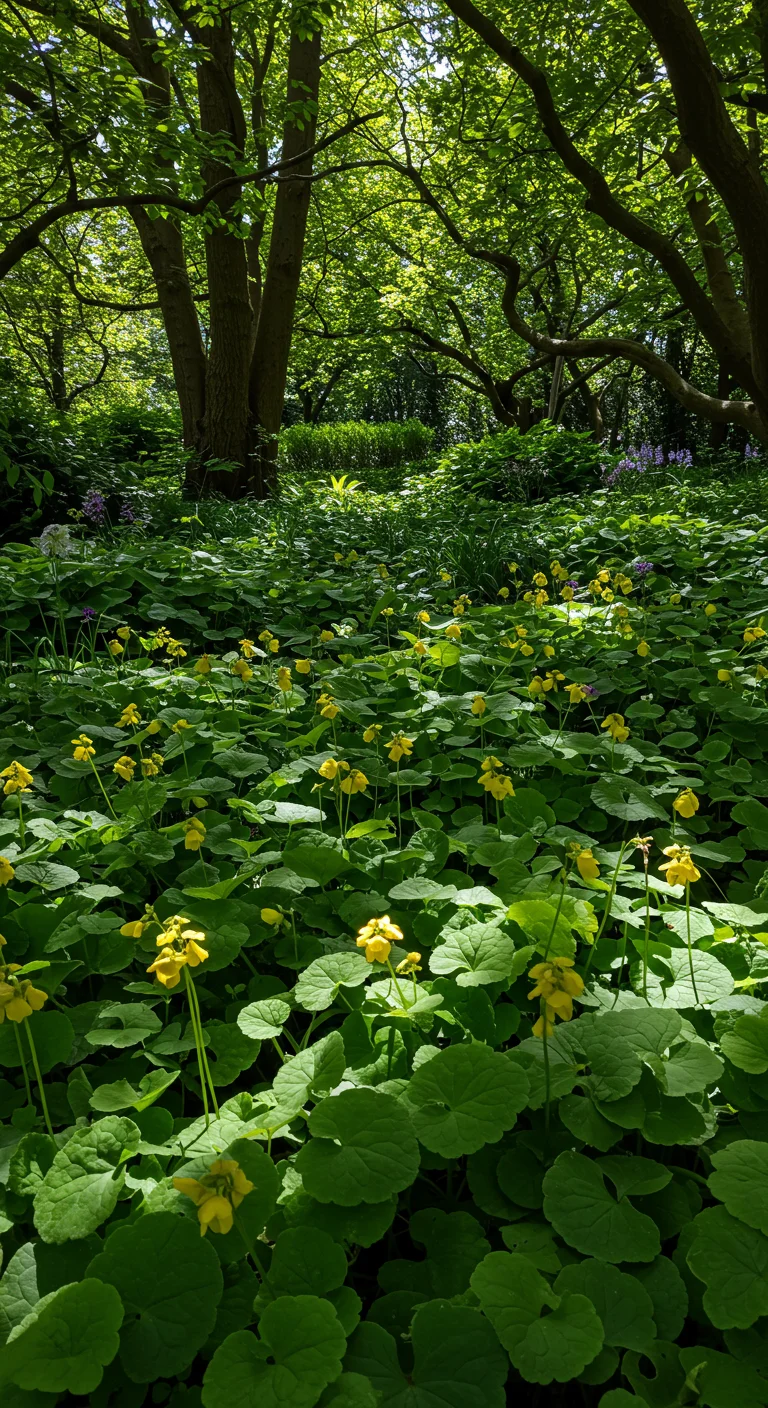
Barrenwort, or Epimedium, is an exceptional choice for shaded gardens, particularly in dry conditions where other plants may struggle. This hardy perennial features attractive heart-shaped leaves and delicate, nodding flowers that bloom in spring, adding both texture and color to shady spots. Barrenwort is not only drought-resistant but also thrives in poor soil, making it ideal for challenging environments. Its spreading habit provides excellent ground cover, helping to suppress weeds while enhancing the visual appeal of the landscape. Additionally, Barrenwort is low-maintenance, requiring little more than occasional watering and pruning to keep it looking its best. This underrated hero can transform a neglected garden corner into a vibrant and inviting space, making it a must-have for gardeners seeking tough, resilient plants for dry shade.
13. Pulmonaria: The Lungwort That Flourishes in Adversity
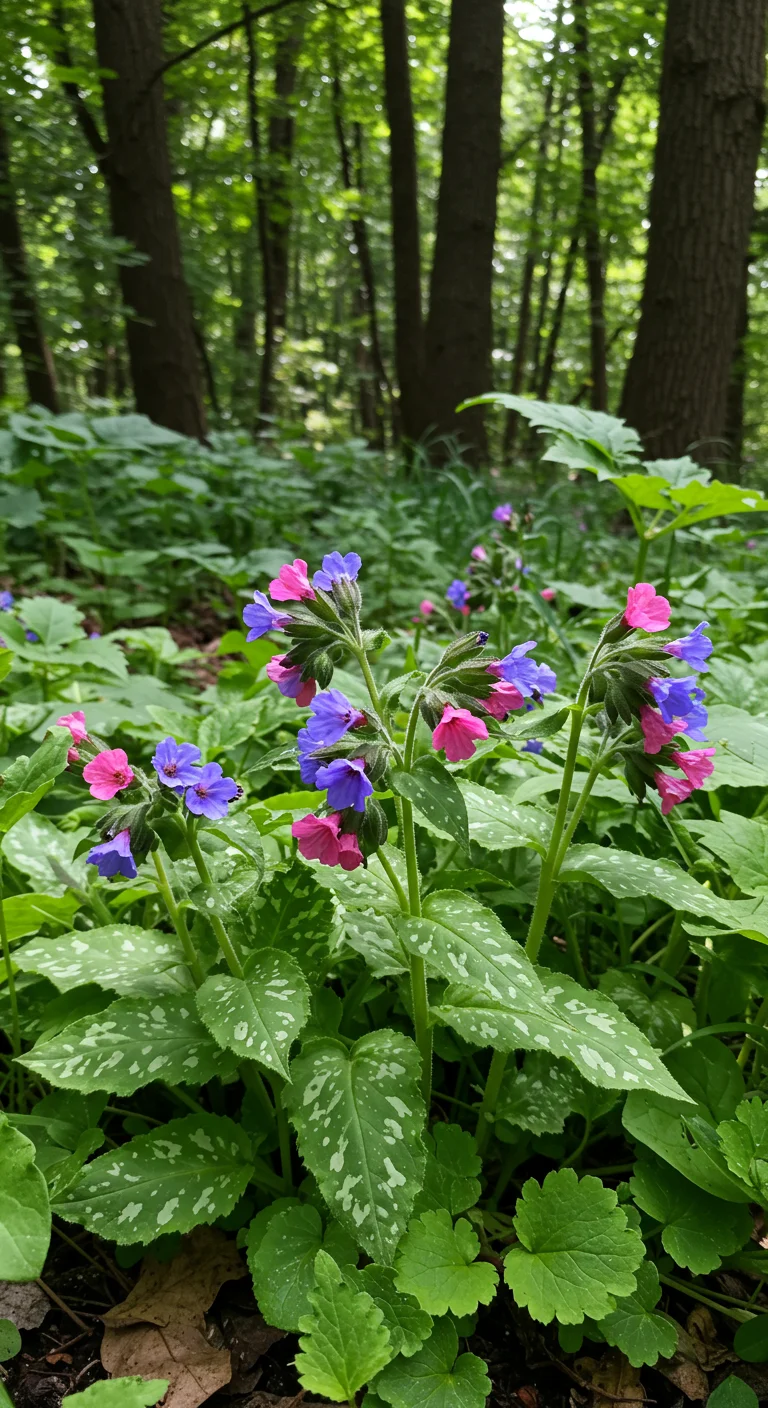
Pulmonaria, commonly known as lungwort, is an exceptional plant that thrives in dry shade, making it a valuable addition to challenging garden spaces. With its distinctive spotted leaves and clusters of small, tubular flowers that range in color from blue to pink, lungwort not only brings beauty but also resilience. This perennial plant is tolerant of poor soil conditions and can withstand drought once established, making it suitable for areas where other plants might struggle. Lungwort prefers partial to full shade and is often found in woodland gardens or beneath trees. Moreover, its early spring blooms provide essential nectar for pollinators, enhancing biodiversity in your garden. To ensure optimal growth, amend the soil with organic matter, and water the plant during prolonged dry spells to help it flourish in adversity.
14. Vinca Minor: The Tough Periwinkle That Never Quits
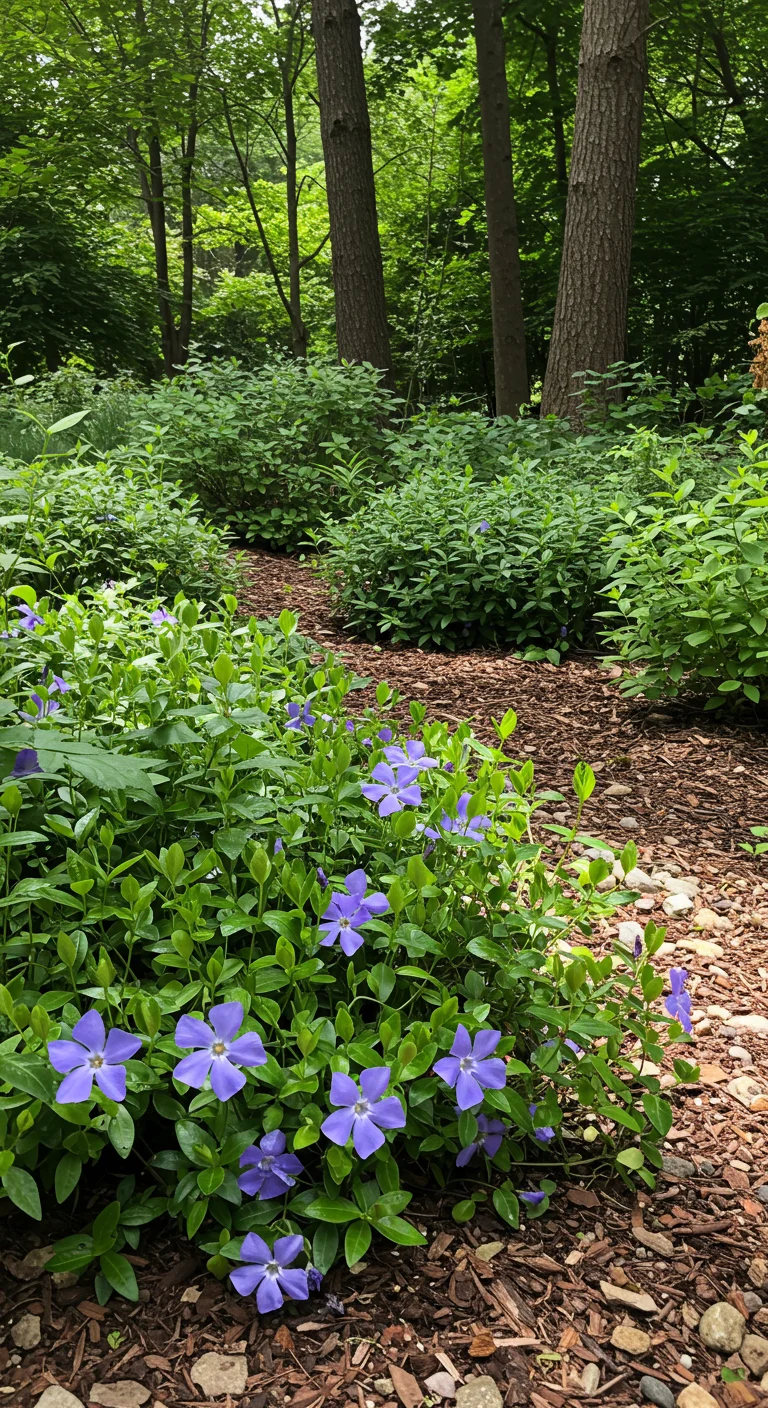
Vinca Minor, commonly known as periwinkle, is a hardy ground cover ideal for challenging dry shade conditions. This evergreen plant features glossy, dark green leaves and charming blue-violet flowers that bloom in spring, adding a splash of color to otherwise dull areas. Vinca Minor is drought-tolerant once established and can thrive in a variety of soil types, including poor, rocky soils, making it an excellent choice for shaded gardens beneath trees or in urban landscapes. It spreads quickly via its creeping stems, forming a dense mat that effectively suppresses weeds while requiring minimal maintenance. To ensure optimal growth, plant Vinca Minor in well-drained soil and consider trimming back any overgrowth to maintain its shape and health.
15. Sedum: The Succulent Survivor for Shady Spots
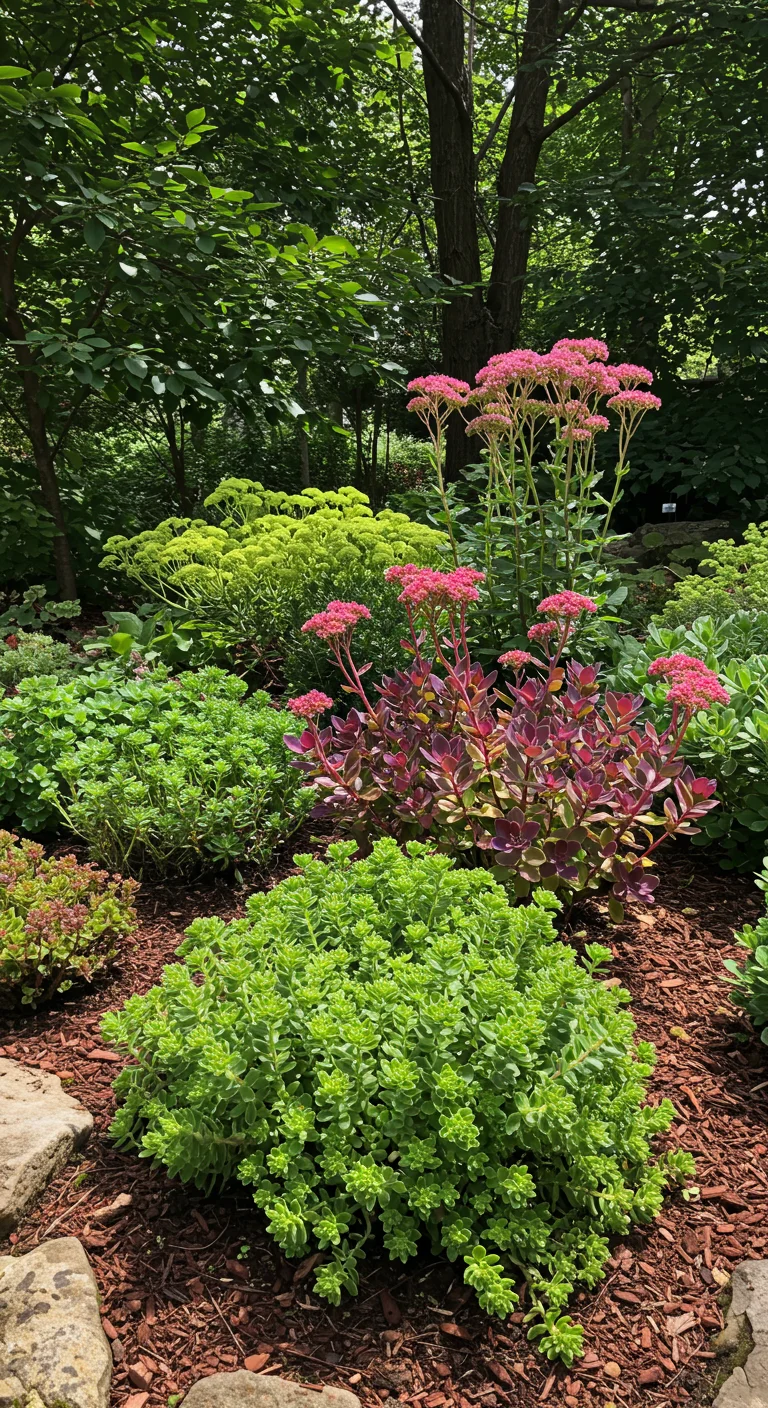
Sedum, often referred to as stonecrop, is a remarkable succulent that thrives in dry shade conditions, making it an ideal choice for challenging garden spots. With its fleshy leaves and ability to store water, Sedum can withstand periods of drought while adding texture and color to your landscape. Many varieties, such as Sedum spurium and Sedum album, feature vibrant hues ranging from deep greens to purples and reds, providing a visual feast even in low-light areas. These hardy plants can quickly spread and form attractive ground covers, reducing weed growth while requiring minimal maintenance. Planting Sedum in well-drained soil and ensuring they receive indirect sunlight will maximize their resilience and aesthetic appeal, making them a perfect addition to any dry shade garden.
16. Lamium: The Silver-Leafed Stunner for Gloomy Areas
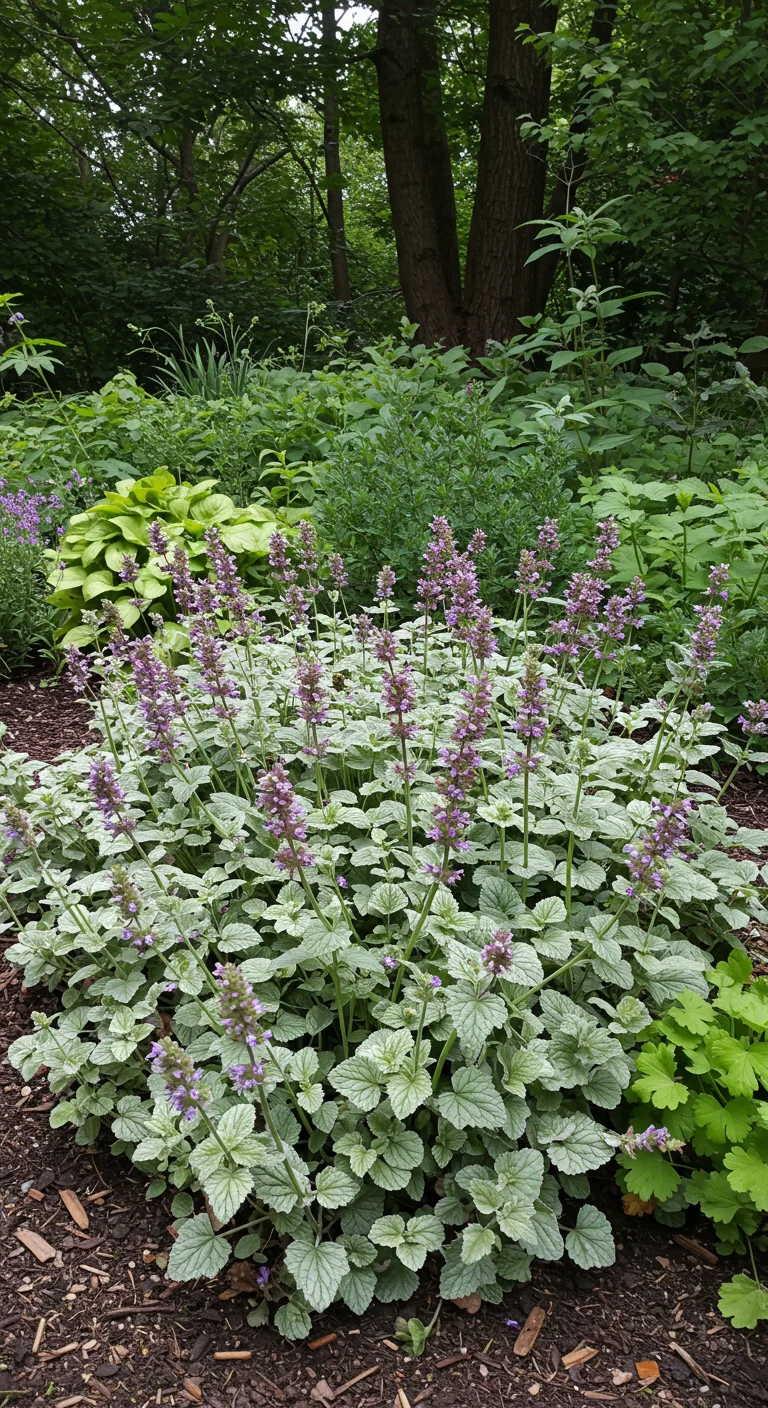
Lamium, commonly known as dead nettle, is a remarkable ground cover plant that thrives in dry, shady areas, making it an ideal choice for challenging garden spots. With its striking silver-variegated leaves and charming tubular flowers, Lamium not only brings visual interest to gloomy corners but also showcases resilience in less-than-ideal conditions. This perennial is low-maintenance and spreads easily, filling in bare patches while suppressing weeds. It typically blooms in spring and early summer, attracting pollinators like bees with its colorful flowers. Furthermore, Lamium is drought-tolerant once established, allowing gardeners to enjoy a lush, textured appearance without frequent watering. Its adaptability and beauty make it a standout choice for any shade garden.
17. Ajuga: The Colorful Ground Cover That Defies the Odds
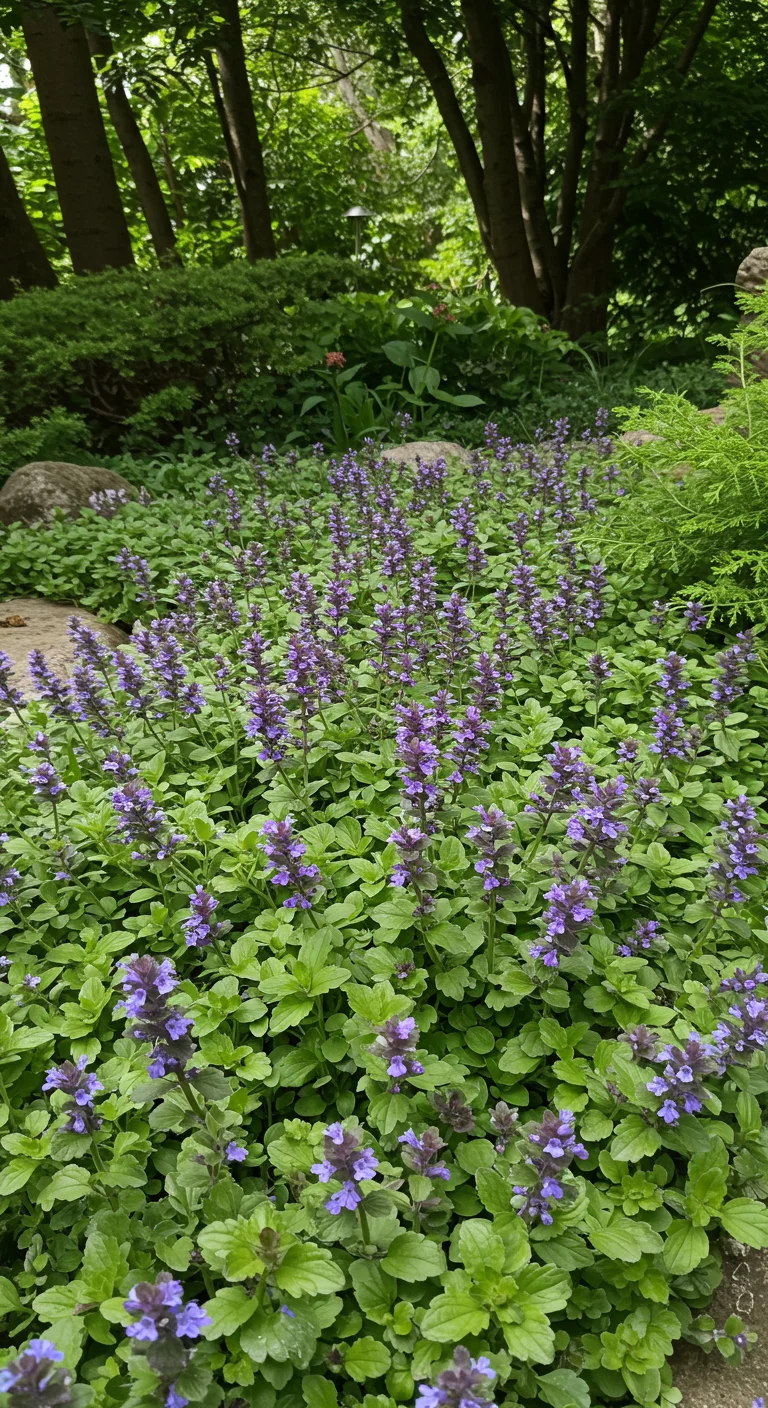
Ajuga, commonly known as bugleweed, is a resilient ground cover that thrives in dry, shady areas where many plants struggle to survive. With its vibrant foliage and striking flower spikes that bloom in shades of blue, purple, or white, Ajuga not only provides a splash of color but also acts as a natural weed suppressor. This low-growing perennial is perfect for filling in bare patches under trees or in shaded garden corners, as it spreads quickly through its creeping rhizomes. Its ability to tolerate drought and poor soil conditions makes it an excellent choice for gardeners seeking low-maintenance solutions. Regular trimming after flowering can keep this hardy plant looking its best, ensuring that your garden remains both beautiful and resilient against challenging conditions.
18. Sweet Woodruff: A Fragrant Carpet for Dry Shade
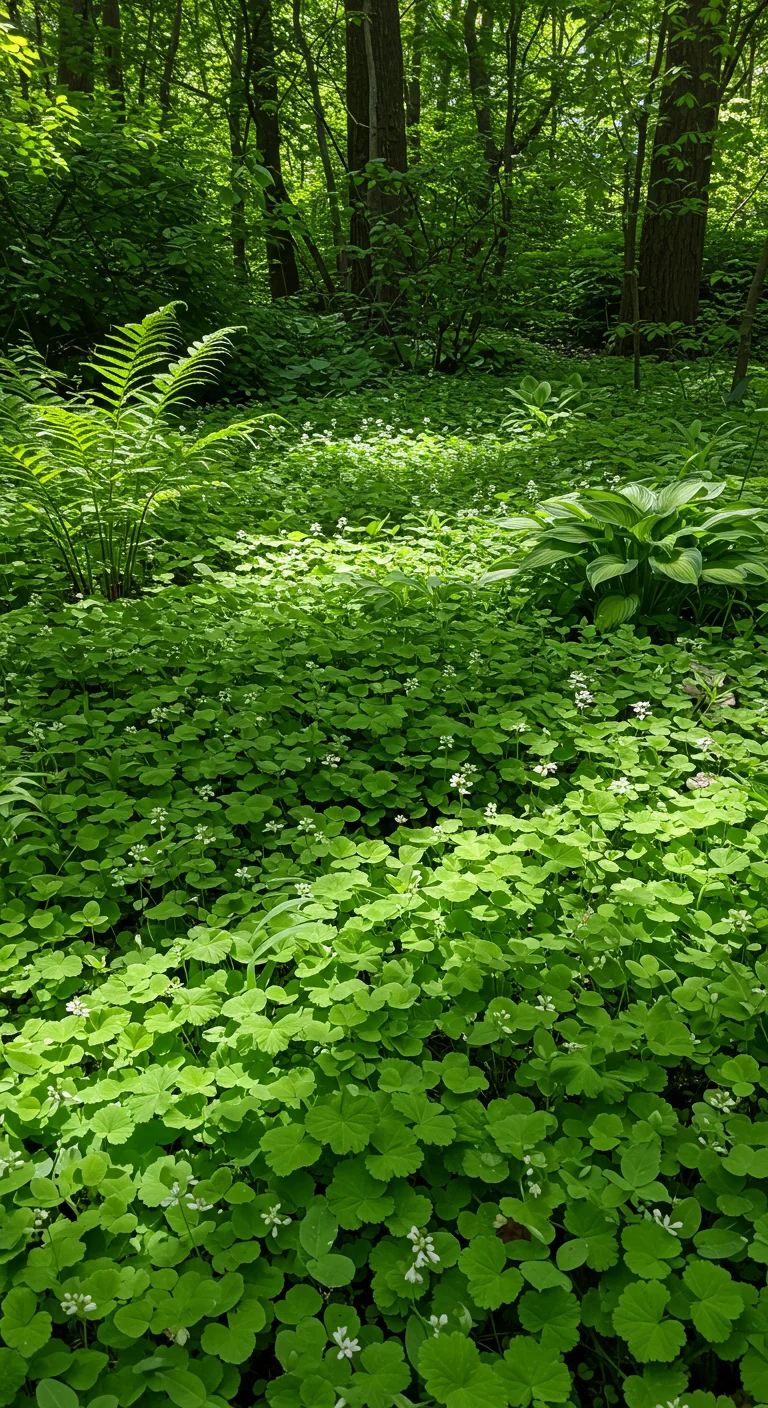
Sweet Woodruff (Galium odoratum) is an excellent choice for gardeners seeking a resilient ground cover for dry shade areas. This perennial herb thrives in low-light conditions and is known for its unique, sweet scent, especially when its leaves are crushed. Sweet Woodruff features delicate, whorled leaves and small white flowers that bloom in the spring, creating a lush, carpet-like appearance. It is drought-tolerant once established, making it ideal for shaded spots under trees or in woodland gardens. Additionally, it can help suppress weeds while enhancing the soil with its organic matter as it naturally spreads. For best results, plant Sweet Woodruff in well-drained soil and consider incorporating it with ferns or hostas for a stunning, textural contrast in your shady garden area.
19. Alchemilla: The Lady’s Mantle That Thrives in Tough Terrain
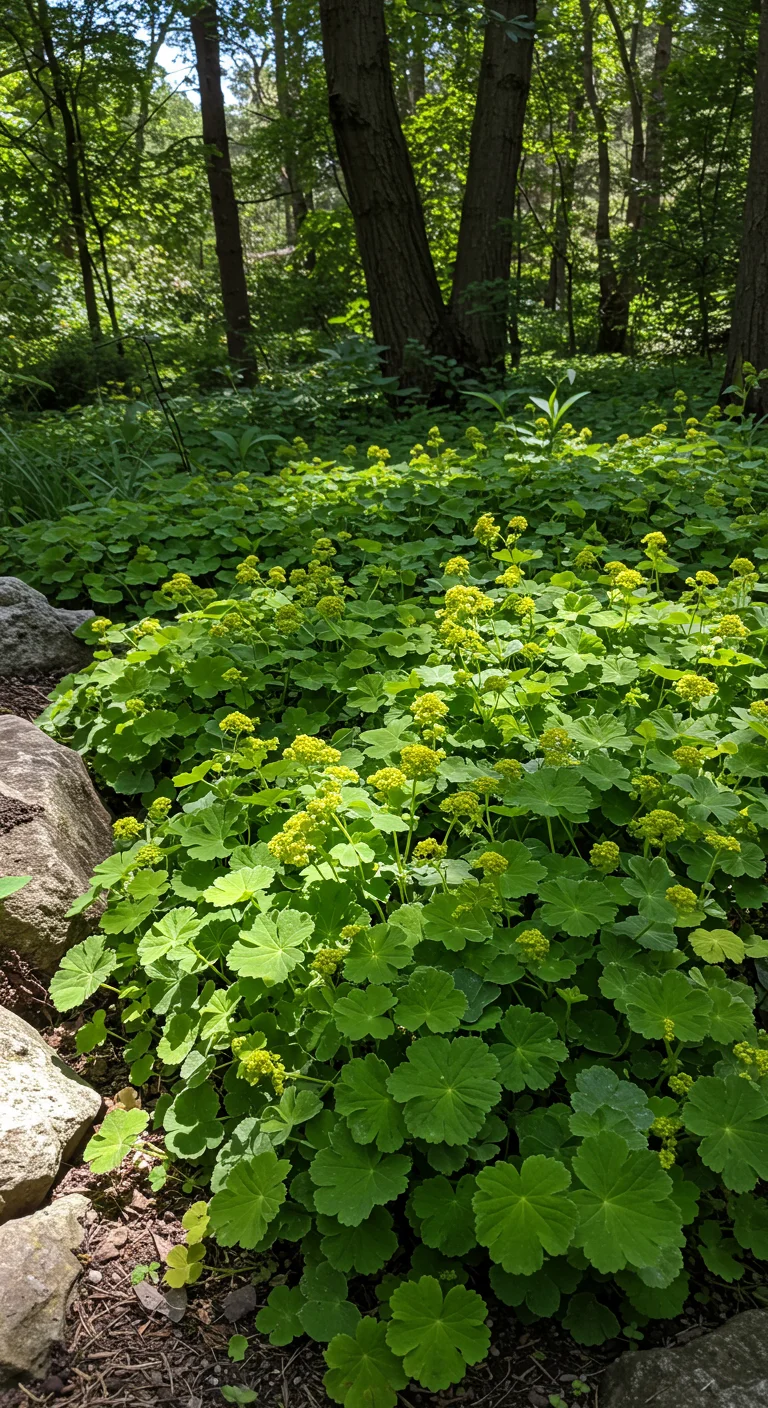
Alchemilla, commonly known as Lady’s Mantle, is a resilient perennial that flourishes in dry shade, making it an ideal choice for challenging garden spots. This plant features lush, rounded leaves that form a dense mat, effectively suppressing weeds while retaining moisture in the soil. Its delicate, cup-shaped flowers bloom in late spring to early summer, attracting pollinators such as bees and butterflies. Alchemilla thrives in well-drained, nutrient-poor soils, displaying a remarkable ability to withstand drought once established. For optimal growth, plant it in partial to full shade, where it can add texture and a soft touch to the landscape. Regular watering during its initial establishment phase will help it flourish, after which it becomes low-maintenance and can endure tough conditions with ease.
20. Pulmonaria: A Charming Choice for Challenging Conditions
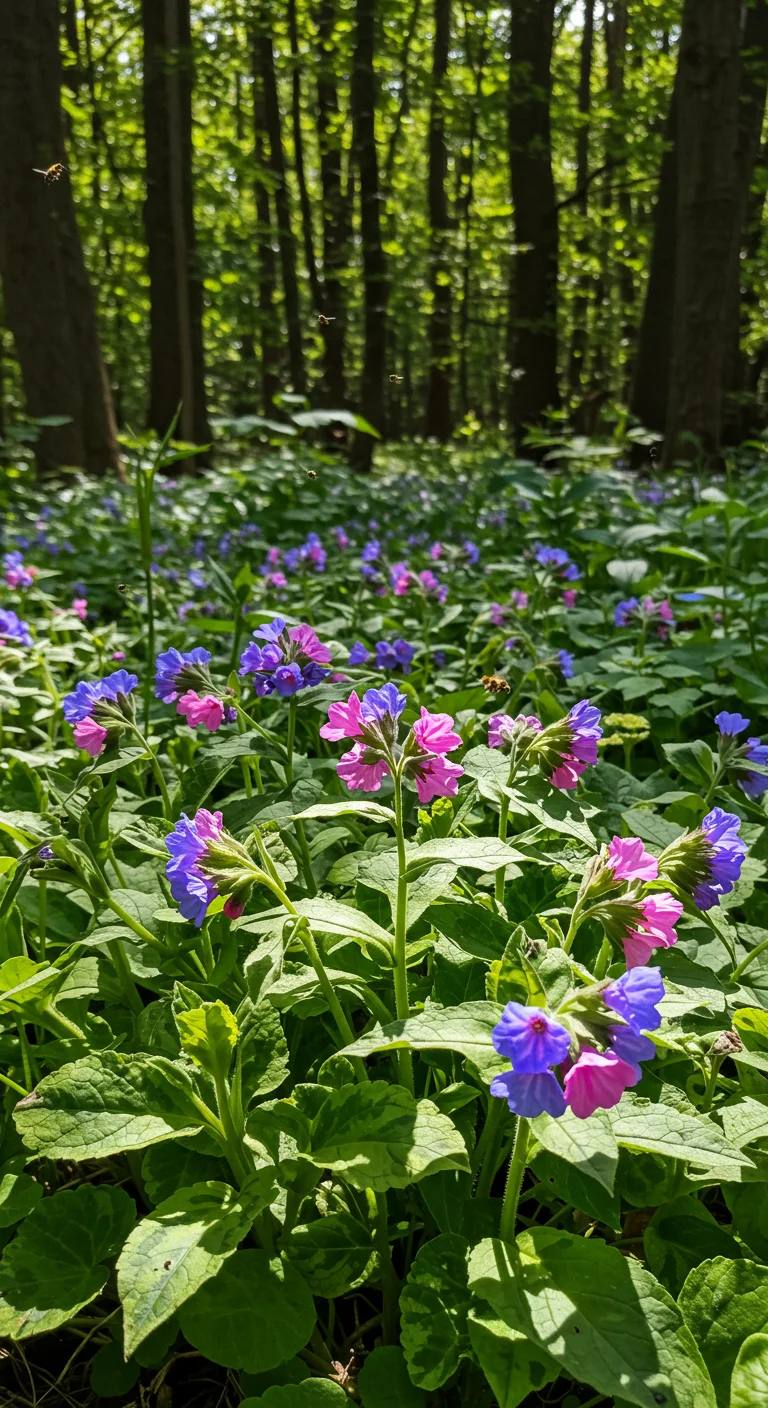
Pulmonaria, commonly known as lungwort, is a superb choice for dry shade, particularly in woodland gardens or under trees where other plants struggle. This resilient perennial thrives in challenging conditions, boasting attractive foliage that ranges from deep green to variegated patterns. Its early spring blooms, often in shades of blue, pink, or white, provide a delightful splash of color before the trees fully leaf out. Moreover, Pulmonaria is known for its ability to tolerate poor soil quality and drought once established, making it an excellent low-maintenance option. Ideal for shaded borders or as ground cover, this plant not only brightens up dim areas but also attracts pollinators, enhancing the biodiversity of your garden while requiring minimal care.