1. Skipping Soil Testing: The Foundation of Your Garden
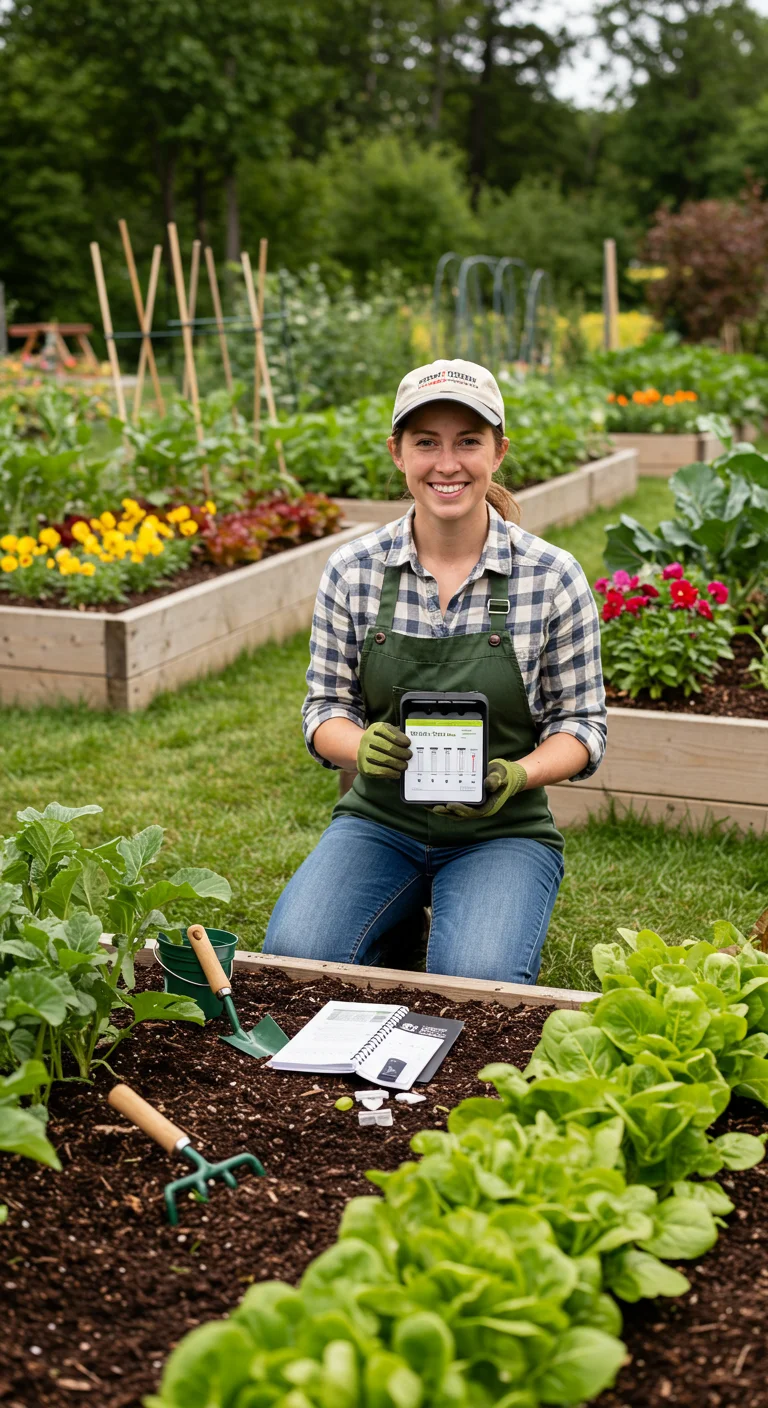
One of the most critical mistakes gardeners make when establishing raised beds is skipping soil testing. Soil testing provides valuable insights into pH levels, nutrient content, and potential contaminants, ensuring that your plants have the right environment to thrive. Without this essential step, you may inadvertently introduce poor-quality soil or fail to amend it properly, leading to stunted growth and low yields. To avoid this pitfall, invest in a simple soil test kit or send samples to a local extension service. This proactive approach allows you to tailor your amendments—such as compost, fertilizers, or lime—effectively, setting a solid foundation for your garden’s success.
2. Overlooking Drainage: The Silent Killer of Raised Beds
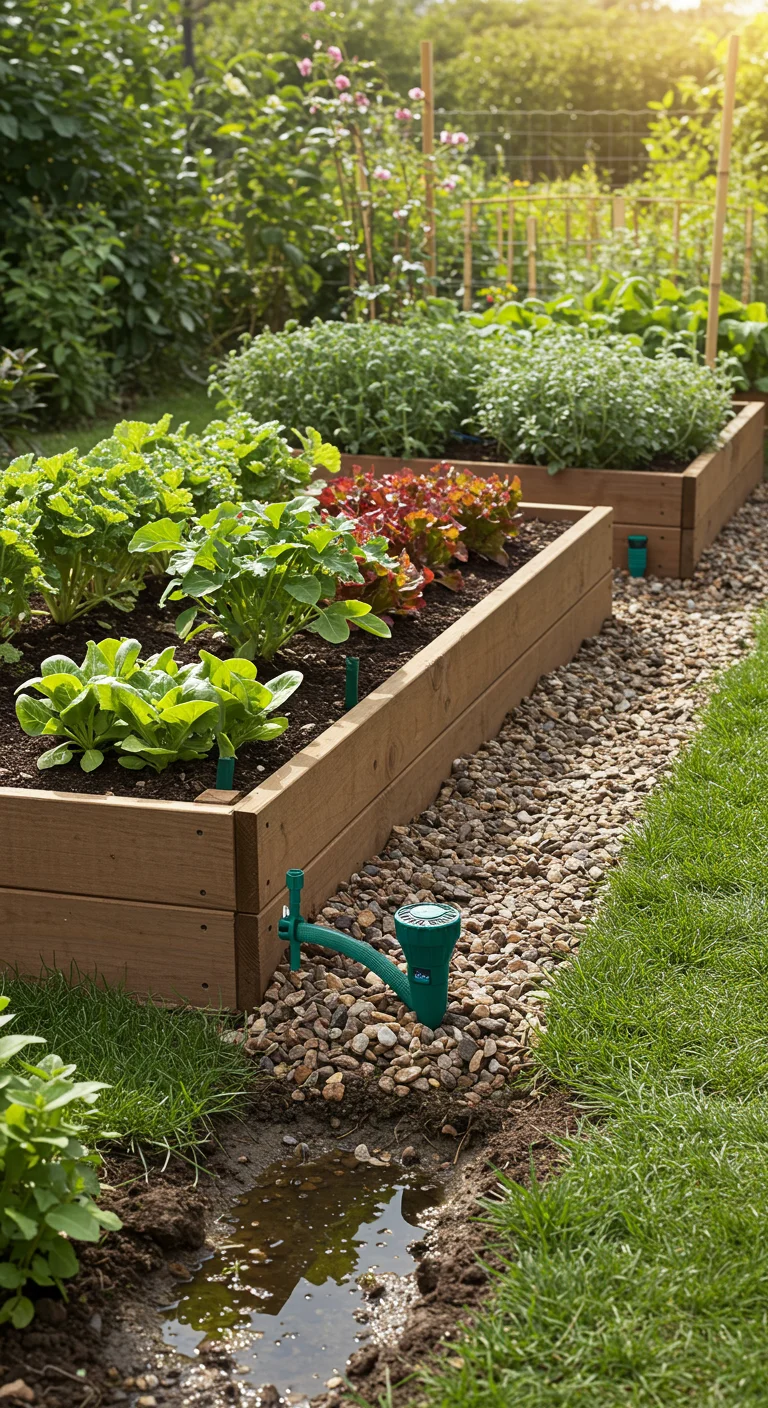
Overlooking drainage is one of the most critical mistakes that can undermine the health of your raised beds. Proper drainage ensures that excess water can escape, preventing root rot and promoting aeration. When building a raised bed, it’s essential to include drainage solutions such as a layer of gravel at the bottom or perforated pipes to redirect water away from the roots. Additionally, consider the location of your bed; placing it in a low-lying area can lead to water accumulation. Regularly check for signs of poor drainage, such as water pooling or overly soggy soil, as these issues can quickly turn your garden into a swamp, hindering plant growth and introducing pests. Implementing effective drainage strategies will create a thriving environment for your plants and prevent the silent killer of raised beds from wreaking havoc.
3. Ignoring Sunlight: Choosing the Wrong Location
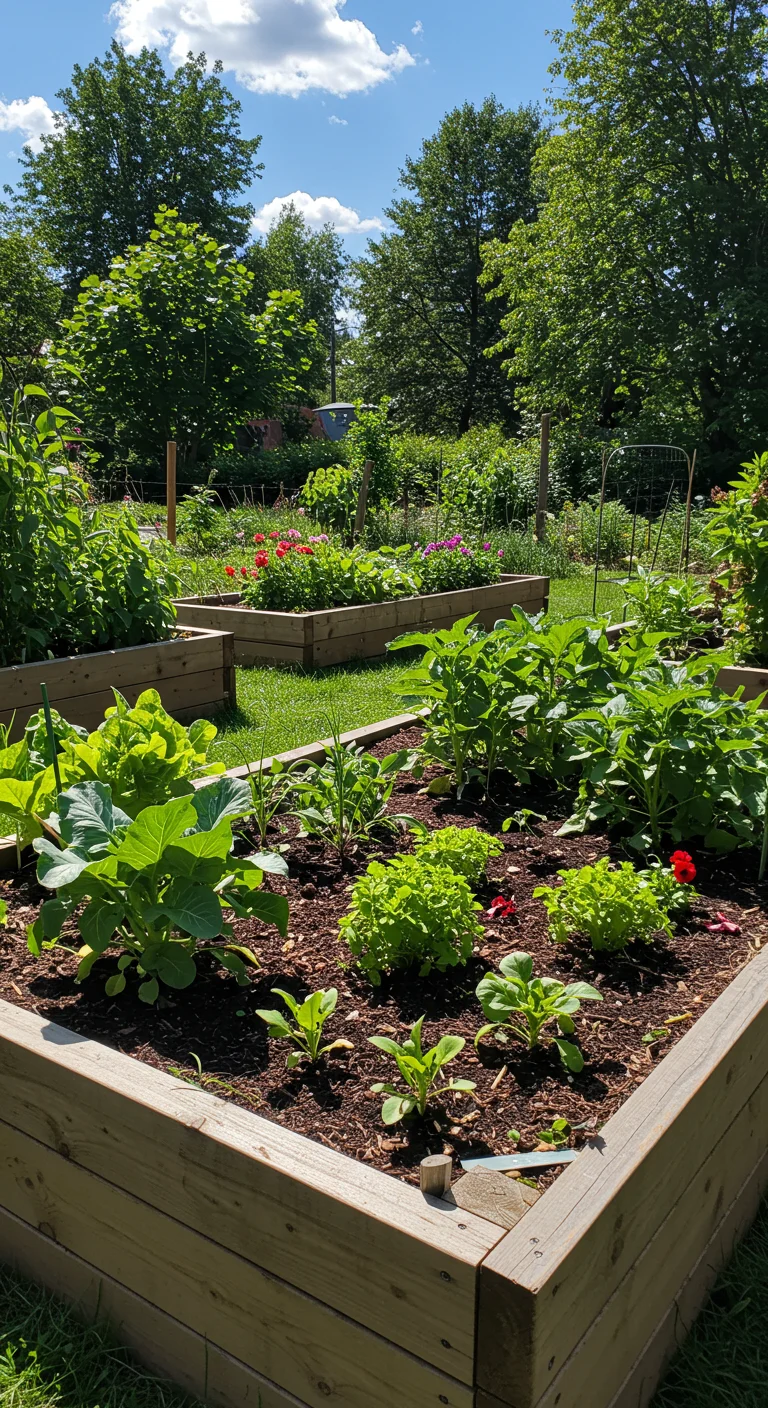
One of the most critical mistakes when setting up a raised bed garden is neglecting to consider sunlight exposure. Plants require varying amounts of sunlight to thrive, and choosing a location that receives insufficient light can hinder growth and yield. Ideally, most vegetables and flowers need at least six hours of direct sunlight each day. When selecting a site for your raised bed, observe the area throughout the day to ensure it’s not shaded by trees, fences, or buildings. Additionally, consider the seasonal changes in sunlight as the angle of the sun shifts. By strategically placing your raised bed in a sunlit area, you’ll promote healthy growth and maximize your gardening efforts.
4. Using Poor-Quality Wood: The Dangers of Decay
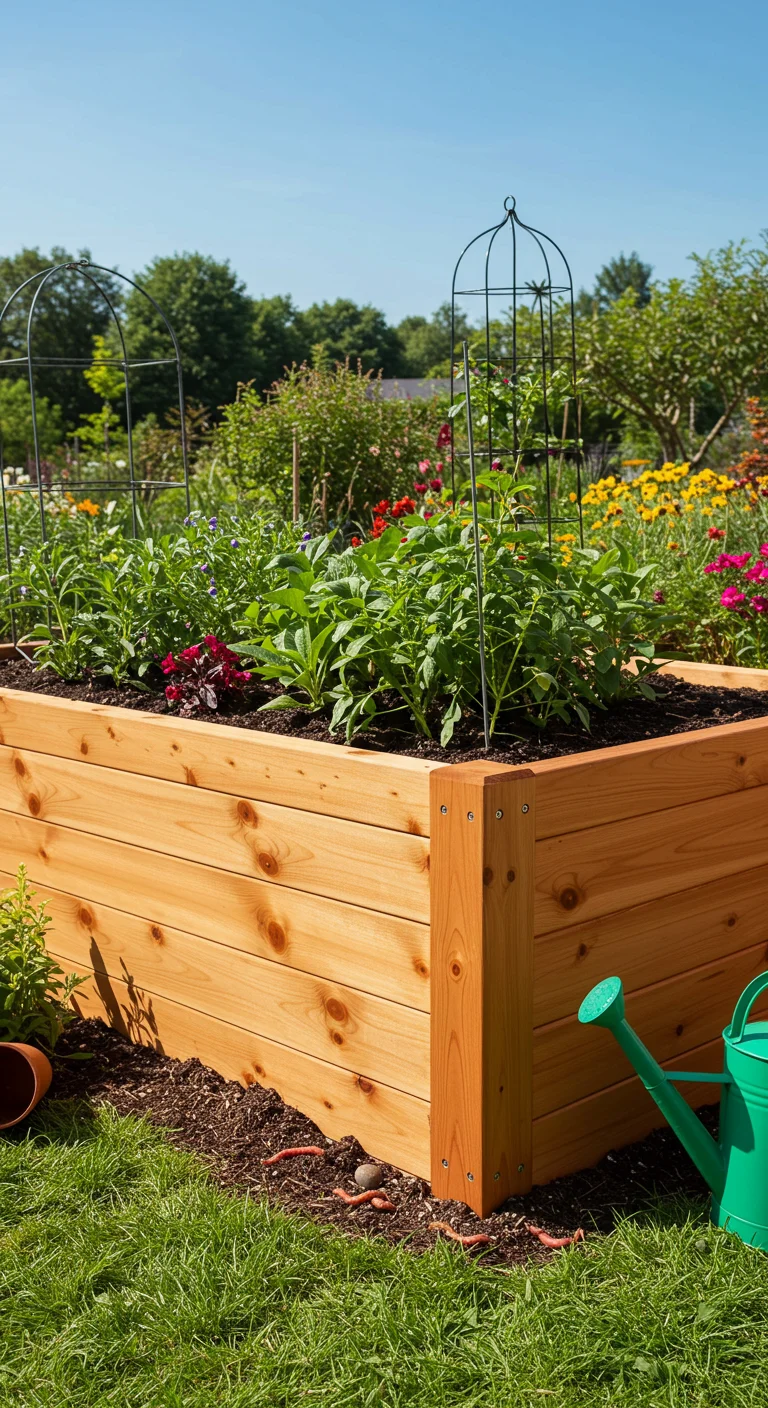
Using poor-quality wood for your raised beds can lead to significant issues, primarily due to decay and structural failure. Softwoods like pine and untreated wood are prone to rot when exposed to moisture, which can compromise the integrity of your garden beds over time. This not only makes them less effective but can also introduce harmful toxins into the soil as the wood breaks down. Instead, opt for durable hardwoods or rot-resistant materials like cedar or redwood, which have natural properties to withstand the elements. Additionally, consider using treated lumber that is safe for gardening, ensuring your plants thrive in a stable and healthy environment. Investing in quality wood will not only extend the life of your raised beds but also contribute to a more sustainable gardening practice.
5. Neglecting Crop Rotation: Repeating Mistakes Year After Year
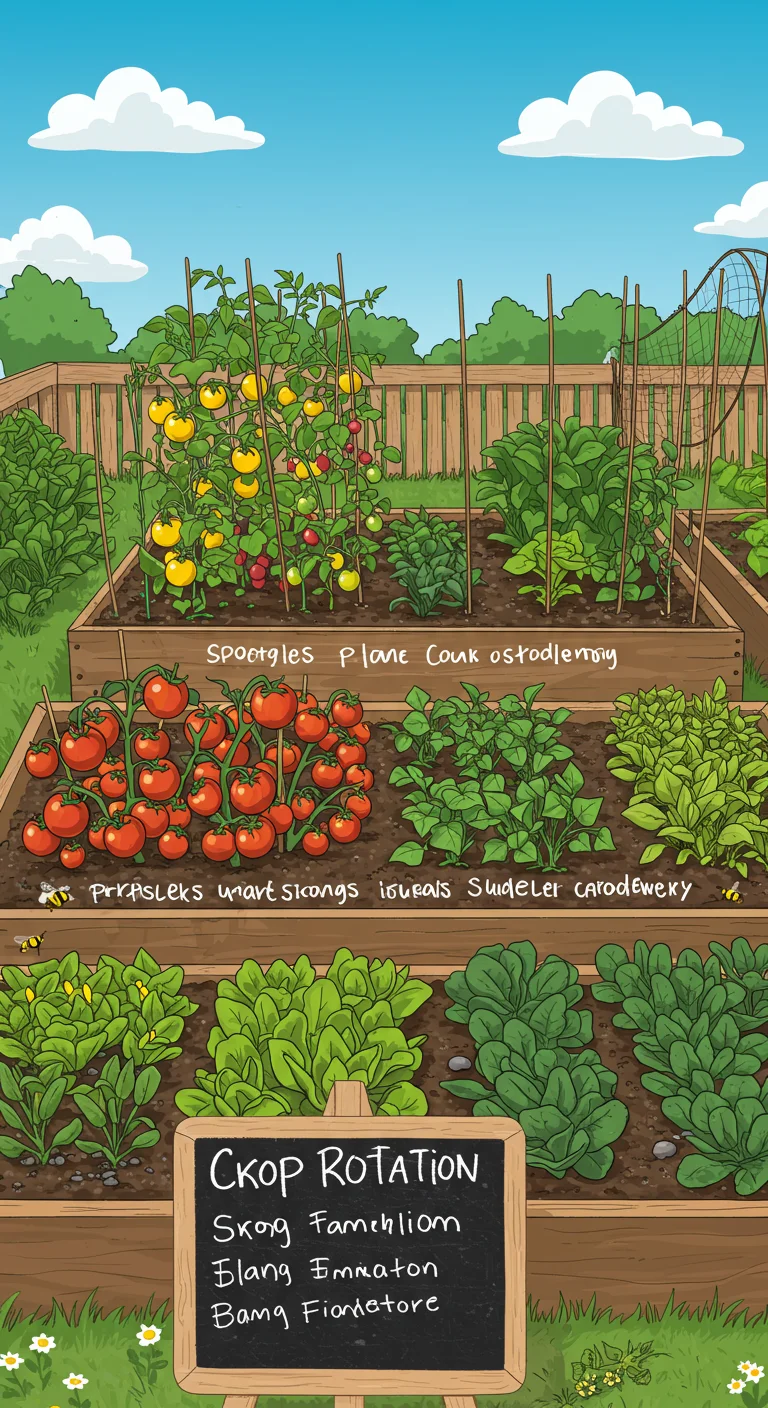
Neglecting crop rotation is a common mistake that can lead to nutrient depletion and increased pest problems in your raised beds. By planting the same crops in the same location year after year, you disrupt the natural balance of soil nutrients and invite diseases that thrive on specific plants. To avoid this, implement a crop rotation plan that alternates families of plants each season; for instance, follow heavy feeders like tomatoes with lighter feeders like beans. This practice not only enhances soil health but also promotes biodiversity, making your garden more resilient against pests and diseases. Always keep a record of your planting history to ensure diversity in your raised beds and to maximize yields over time.
6. Overcrowding Your Plants: The Recipe for Failure
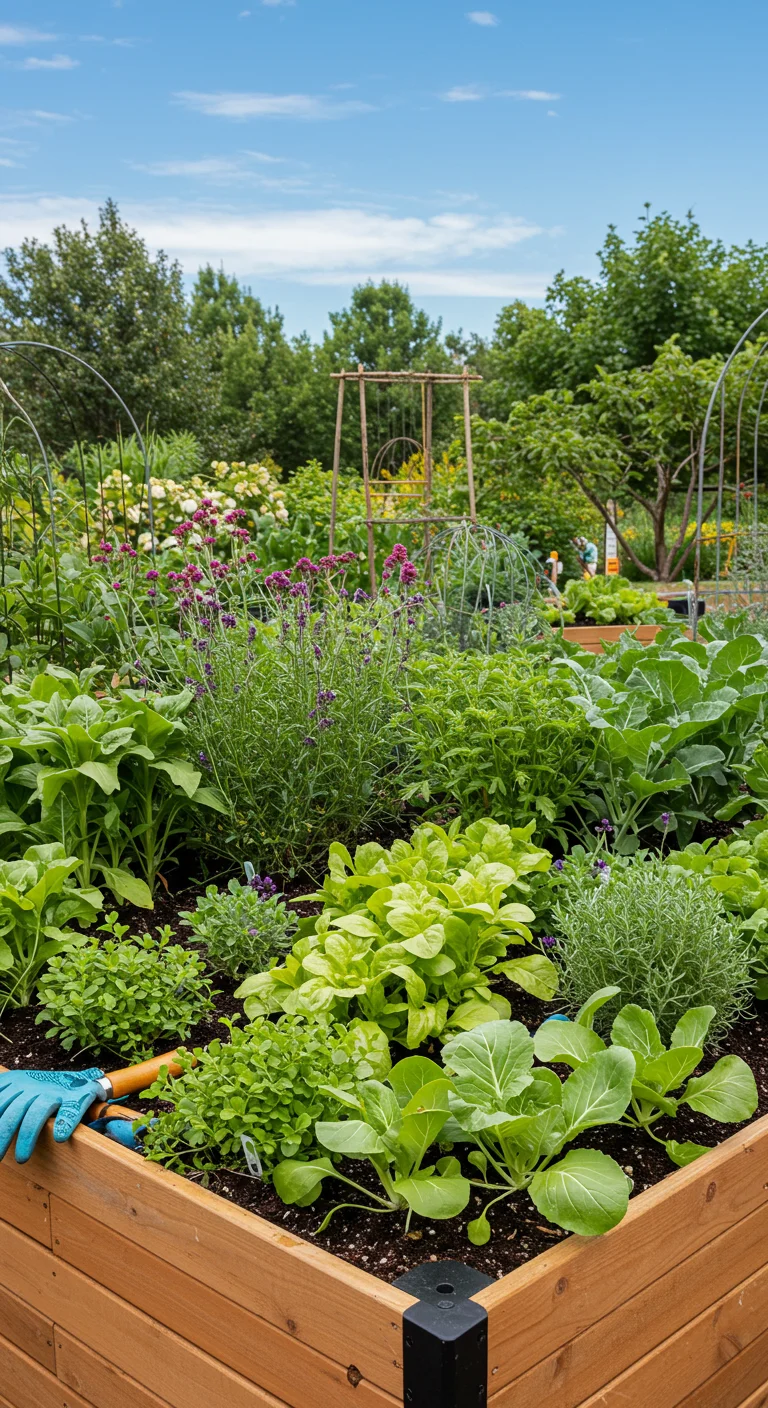
Overcrowding your plants in a raised bed is a common mistake that can lead to poor growth and health issues. When plants are too close together, they compete for essential resources such as sunlight, water, and nutrients, which can stunt their growth and increase susceptibility to diseases. To avoid overcrowding, it’s crucial to follow the recommended spacing guidelines for each plant type, often found on seed packets or plant labels. Consider the mature size of the plants, and plan your layout accordingly to ensure adequate air circulation and access to sunlight. Additionally, incorporating companion planting techniques can help optimize space without compromising the health of your garden. Remember, a well-spaced garden not only promotes healthier plants but also enhances the overall aesthetic of your raised bed.
7. Forgetting to Mulch: The Costly Moisture Misstep
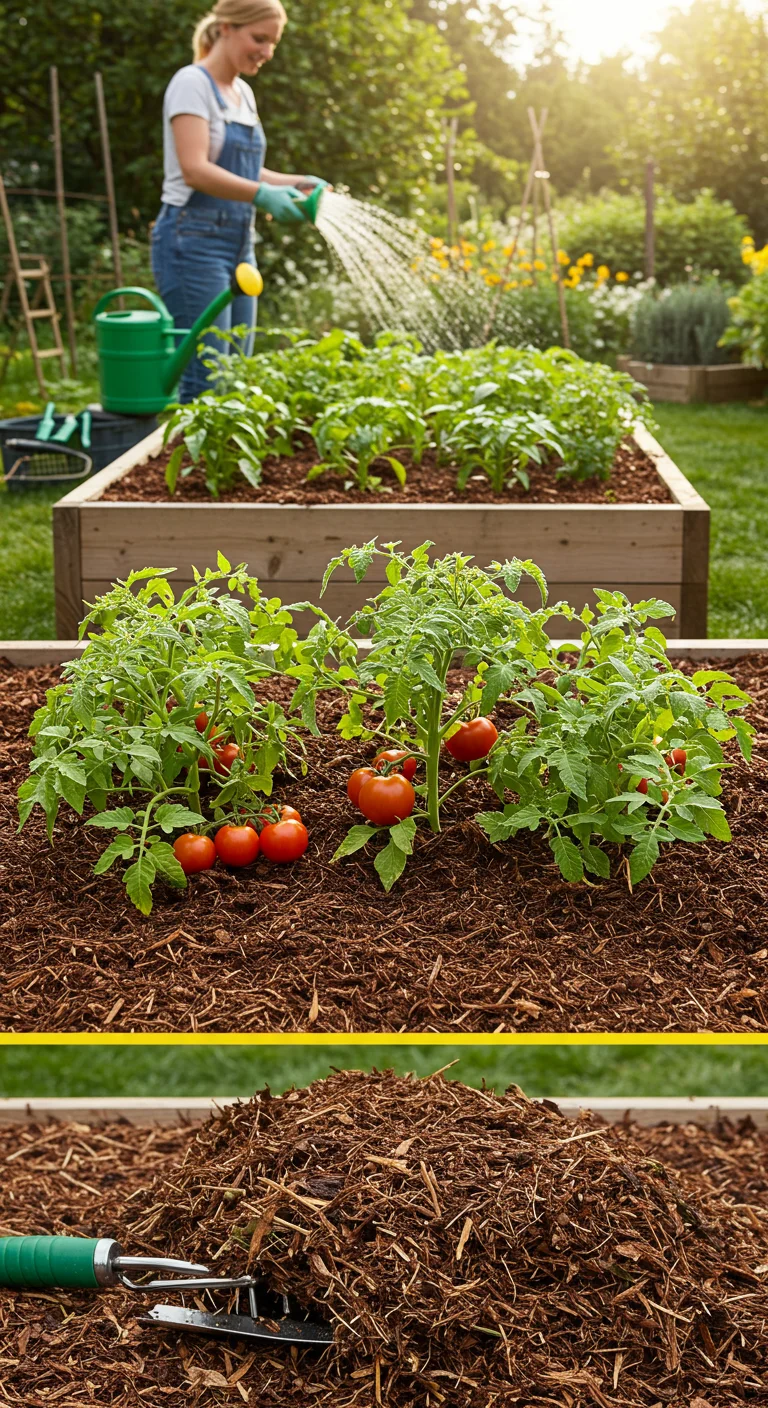
Forgetting to mulch in your raised bed garden can lead to a host of moisture-related problems, including rapid evaporation and weed growth. Mulch acts as a protective barrier, retaining soil moisture, regulating temperature, and suppressing unwanted plants. Without it, your soil may dry out faster, requiring more frequent watering and potentially stressing your plants. To avoid this costly misstep, apply a layer of organic mulch, like shredded leaves or straw, ideally 2-4 inches thick, after planting. This will not only conserve moisture but also enrich the soil as it breaks down over time, promoting healthier plant growth and reducing maintenance efforts in the long run.
8. Mismanaging Watering: Too Much or Too Little?
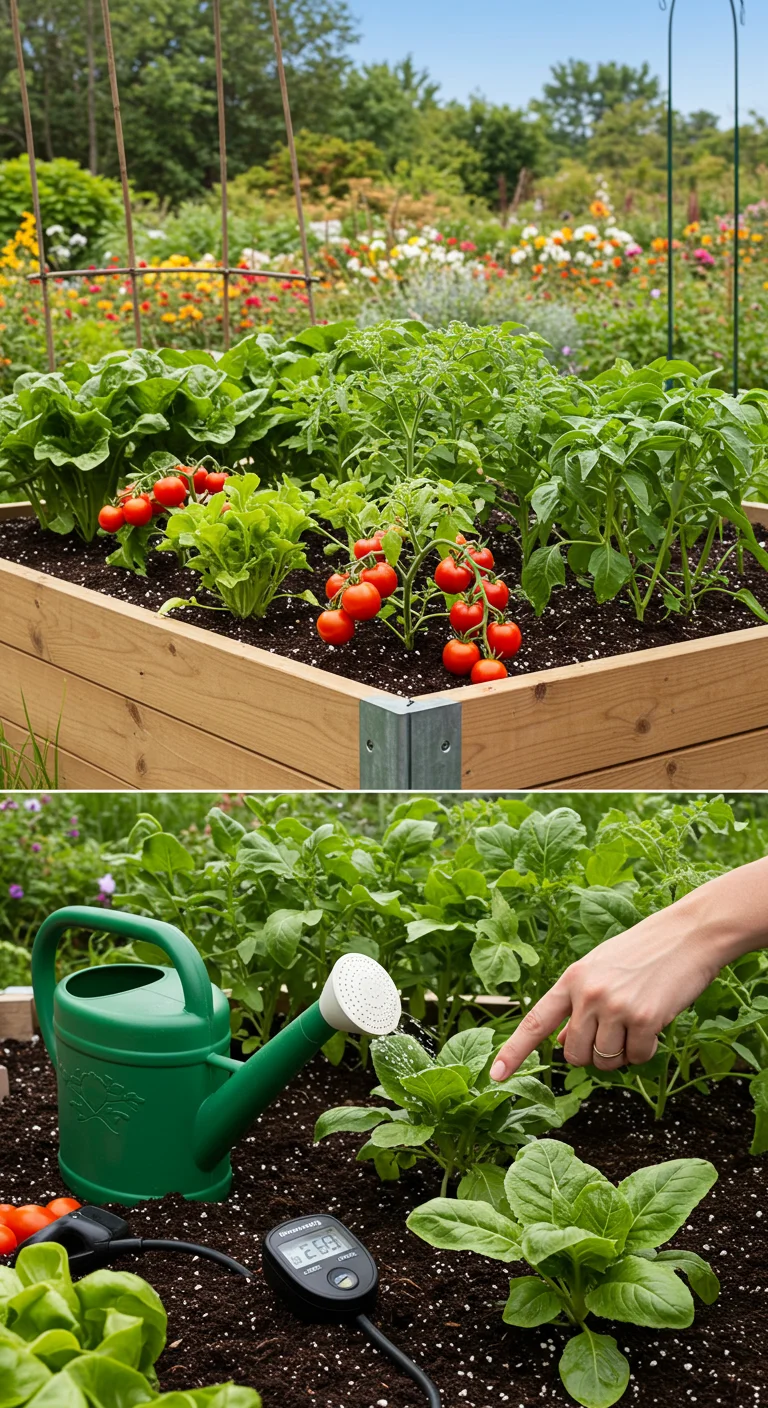
Mismanaging watering is one of the most common mistakes in raised bed gardening, leading to either overwatering or underwatering. A consistent watering schedule is crucial, as plants in raised beds can dry out faster than those in traditional gardens due to improved drainage and soil exposure. Ensure the soil remains moist but not soggy; check with your finger or a moisture meter. A general rule of thumb is to water deeply once a week, adjusting based on weather conditions. Using mulch can help retain moisture and regulate soil temperature, while also minimizing evaporation. Remember, each plant has different water needs, so observe your plants closely for signs of distress, such as yellowing leaves or drooping, to tailor your watering practices effectively.
9. Planting at the Wrong Time: Timing Is Everything
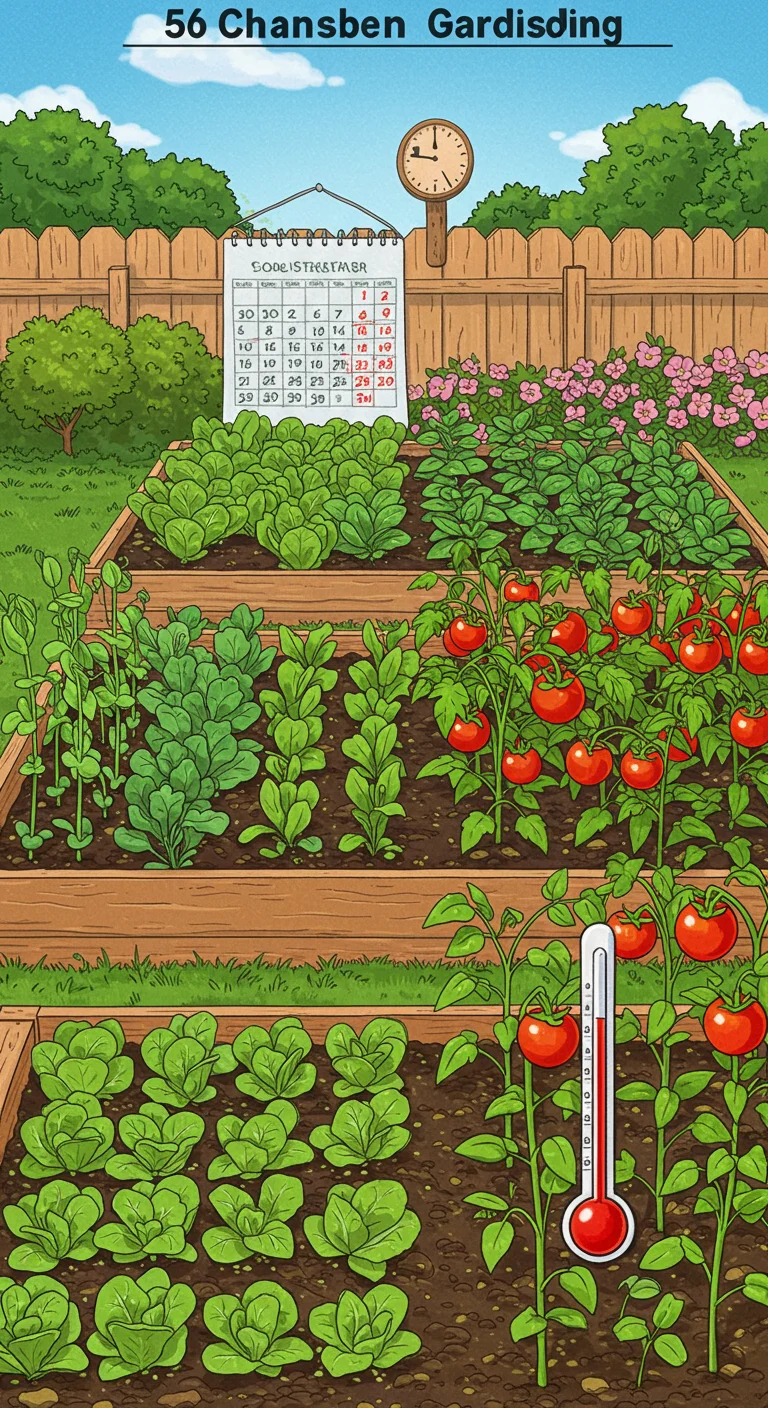
Timing is crucial when it comes to planting in raised beds, as different plants have specific growing seasons. Planting too early can expose seedlings to late frosts, while planting too late may hinder their growth due to insufficient warmth or light. To optimize your harvest, familiarize yourself with the frost dates in your area and plan accordingly. Utilize a planting calendar to determine the best times for sowing seeds or transplanting seedlings. Additionally, consider the growth rates of various plants; cool-season crops like lettuce and peas thrive in early spring, while warm-season crops such as tomatoes and peppers should be planted after the last frost. By aligning your planting schedule with the seasonal climate, you can ensure a thriving and productive raised bed garden.
10. Failing to Plan for Pests: The Invasion You Didn’t See Coming
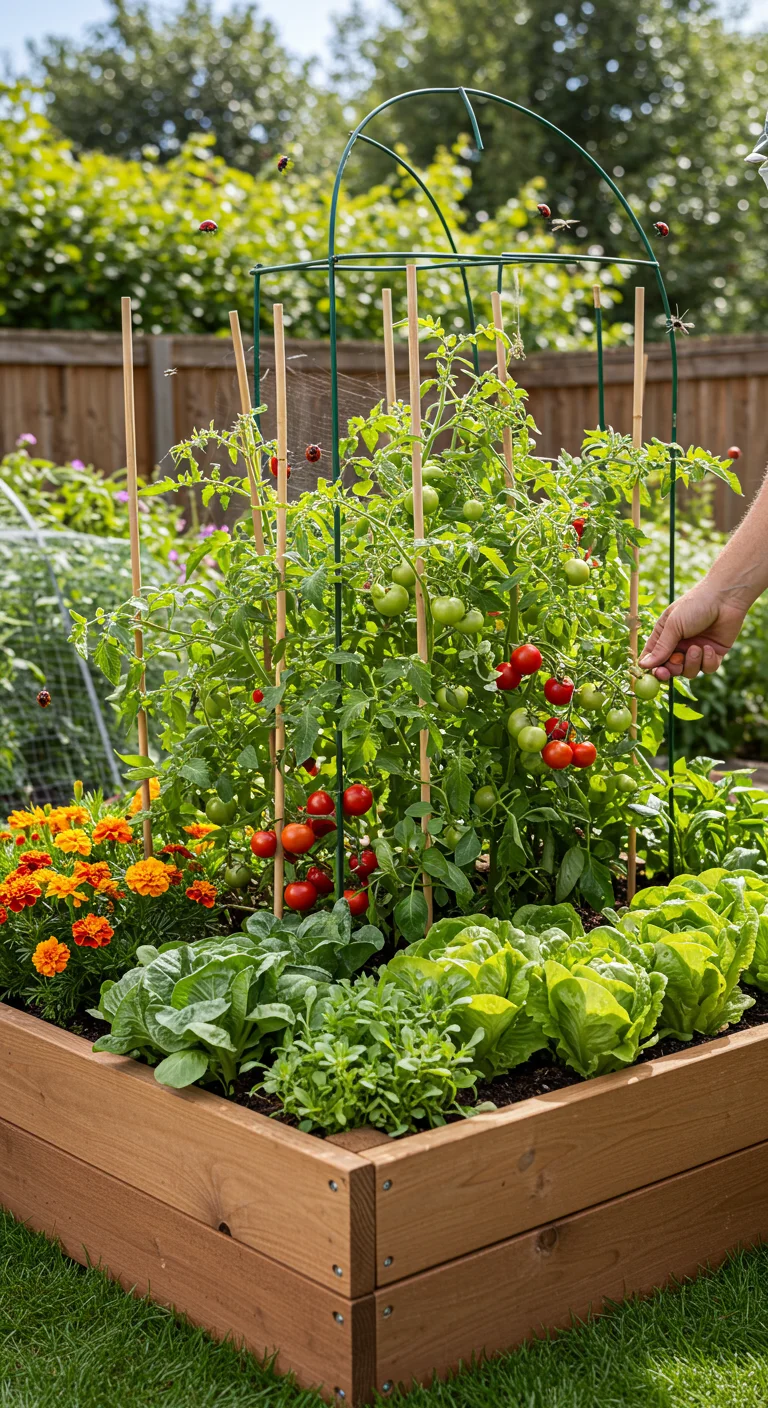
Failing to plan for pests is one of the most common mistakes gardeners make when establishing raised beds. Without proper foresight, your plants can fall victim to an array of insects and diseases, leading to significant crop loss. To combat this, consider implementing preventive measures such as using row covers, introducing beneficial insects like ladybugs, and keeping your garden free from debris that can harbor pests. Regular monitoring is essential; inspect your plants weekly for any signs of trouble. Additionally, practicing crop rotation and companion planting can help deter unwanted visitors naturally. By proactively addressing pest management, you can enjoy a thriving garden without the unwelcome invasion you didn’t see coming.
11. Ignoring Companion Planting: The Power of Partnerships
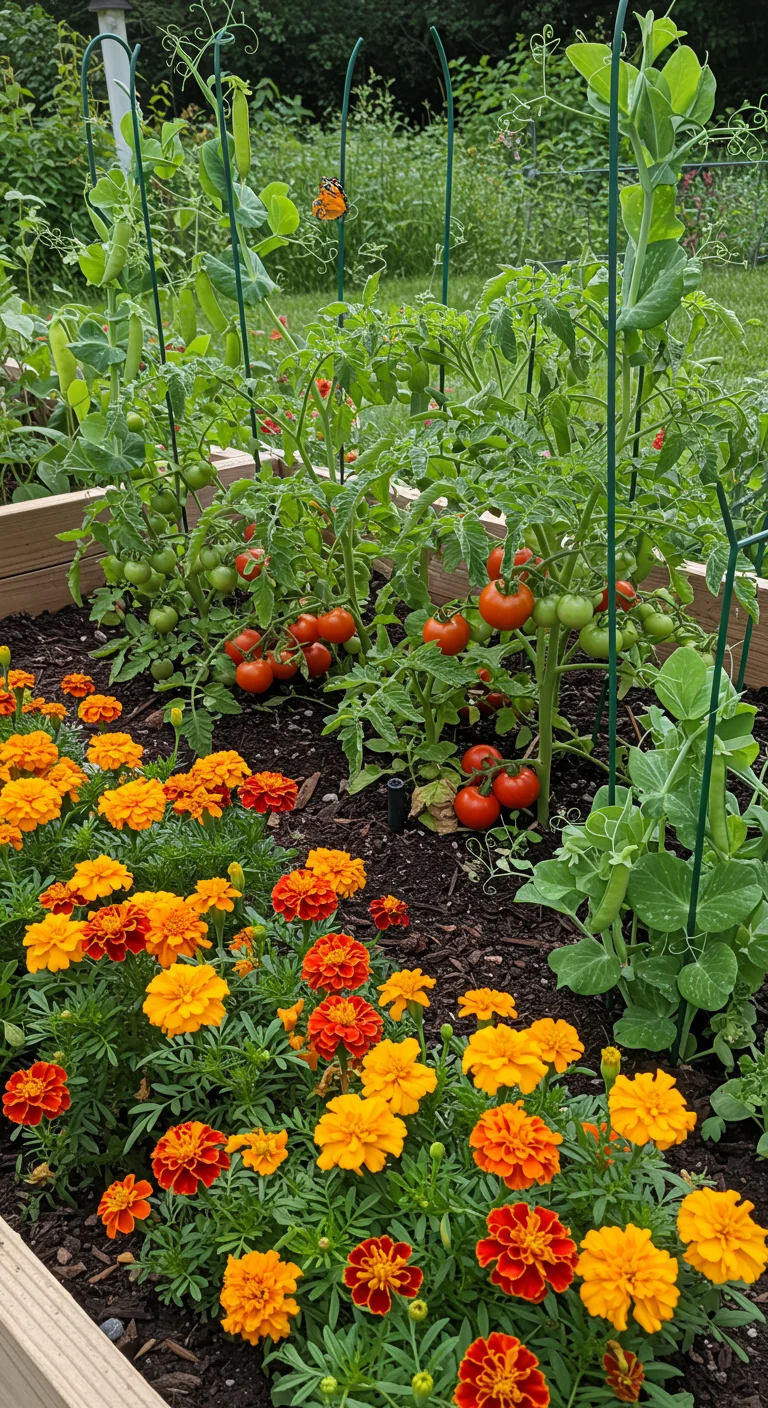
Ignoring companion planting can significantly hinder the productivity of your raised bed garden. Companion planting is the practice of growing different plants in proximity for mutual benefits, such as pest control, pollination, and nutrient enhancement. For example, planting marigolds alongside tomatoes can deter nematodes, while peas can fix nitrogen in the soil for neighboring plants. By strategically pairing plants, you can maximize space and create a more resilient ecosystem. Consider the needs and growth habits of your vegetables: tall plants can provide shade for shorter ones, and deep-rooted plants can help aerate the soil for shallow-rooted companions. Incorporating these partnerships not only boosts your garden’s yield but also fosters biodiversity, leading to a healthier growing environment overall.
12. Confusing Annuals with Perennials: The Replanting Trap
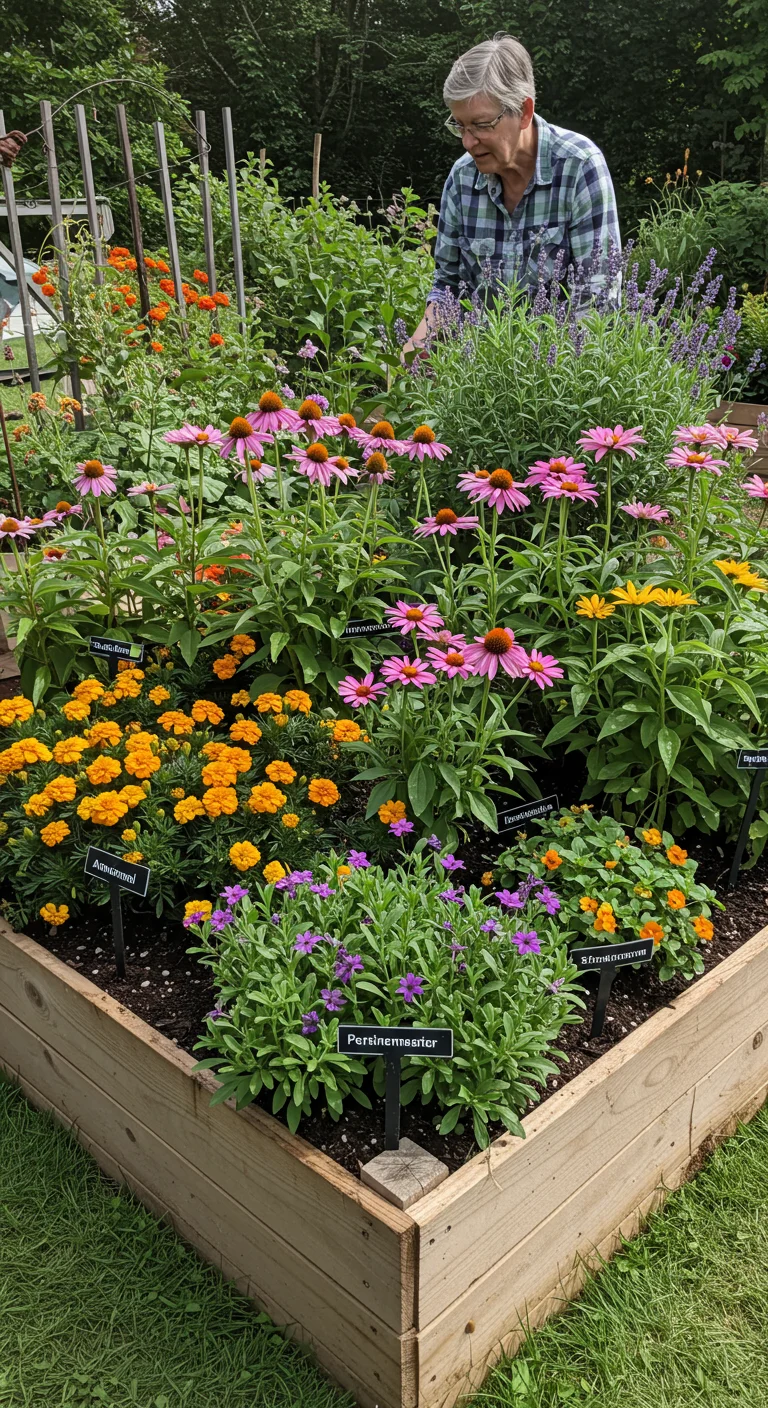
One of the most common mistakes in raised bed gardening is confusing annuals with perennials, leading to unnecessary replanting each year. Annuals, such as marigolds and zinnias, complete their life cycle in one season and need to be replanted every year, while perennials like echinacea and lavender return year after year. To avoid this replanting trap, gardeners should carefully plan their beds by including a mix of both types, ensuring that they recognize which plants are annuals and which are perennials. A simple label system or a planting journal can help keep track of what was planted and when, allowing for more effective garden management and less frustration each spring. By understanding the differences, you can enjoy a vibrant garden year after year without the hassle of starting from scratch.
13. Neglecting Weeding: Letting Weeds Win the Battle
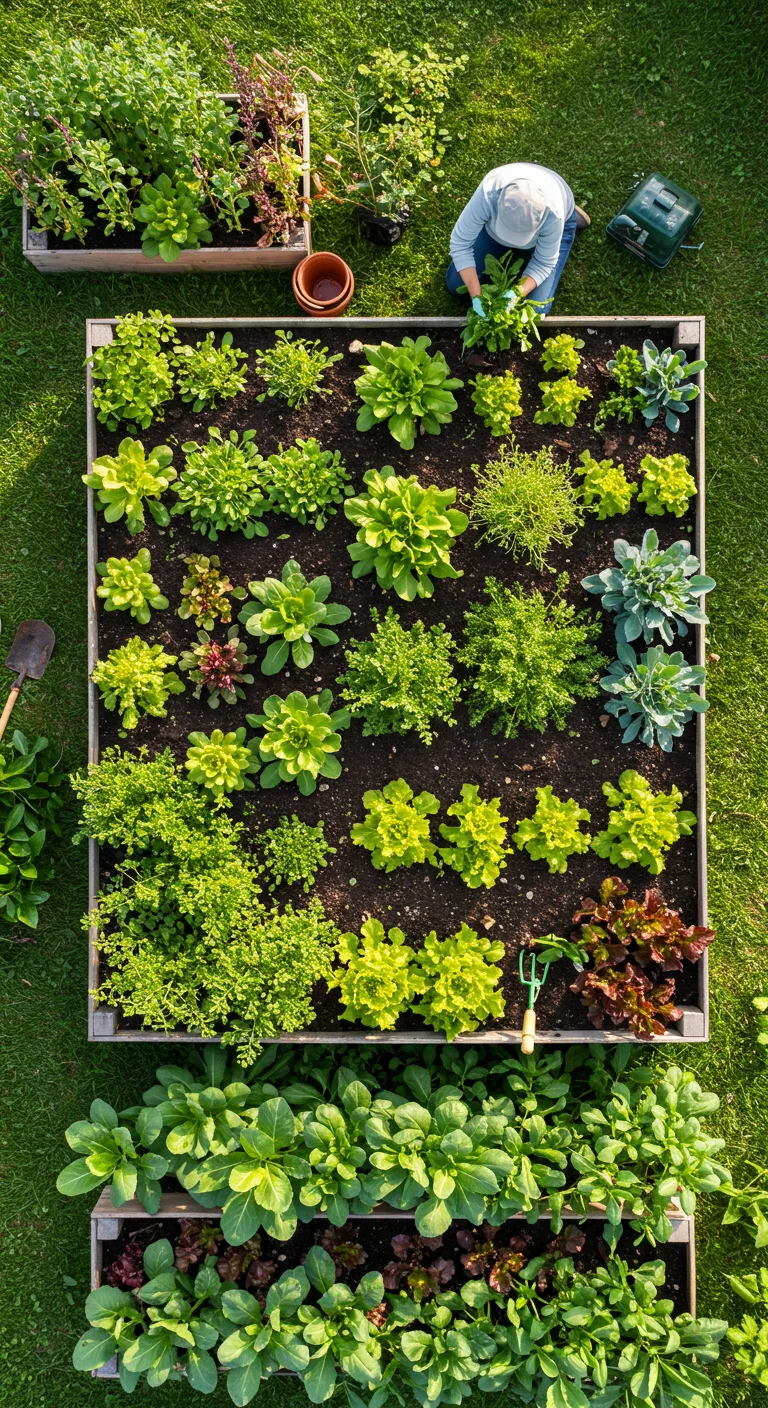
Neglecting weeding in raised beds can lead to a rapid invasion of weeds that compete with your plants for nutrients, water, and sunlight. To avoid this common mistake, develop a regular weeding routine, ideally checking your beds weekly. Pull weeds by hand, ensuring you remove the entire root to prevent regrowth. Mulching around your plants can also help suppress weed growth by blocking sunlight and retaining moisture in the soil. Additionally, consider using landscape fabric or biodegradable weed barriers when setting up your beds to minimize the emergence of weeds. By staying proactive and vigilant against weeds, you can create a healthier environment for your plants to thrive and maximize your gardening success.
14. Underestimating Maintenance: The Ongoing Commitment
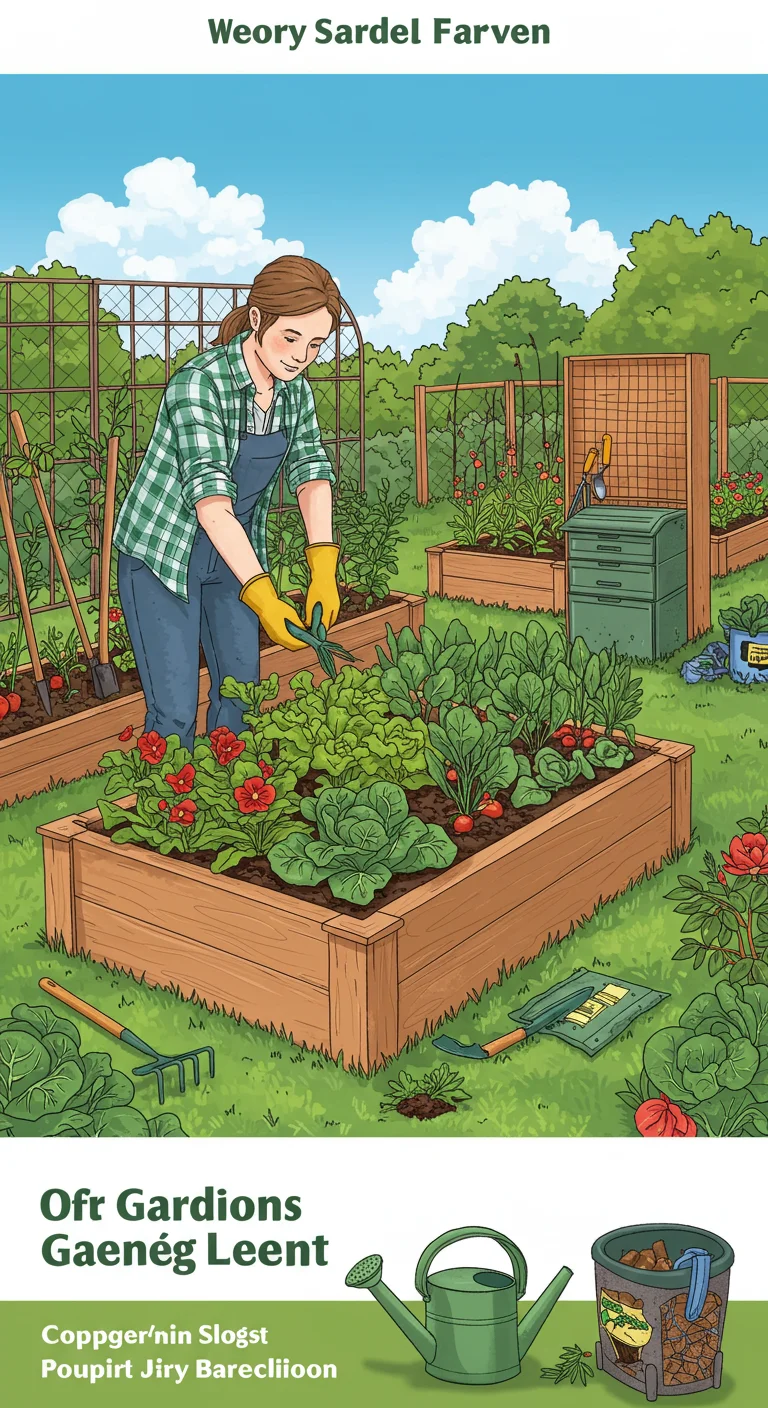
Many gardeners mistakenly believe that once their raised beds are constructed and planted, the hard work is done. However, ongoing maintenance is crucial for a thriving garden. Regular tasks such as weeding, watering, and monitoring for pests ensure that your plants remain healthy and productive. Additionally, replenishing soil nutrients through compost or organic fertilizers is essential, as raised beds can deplete nutrients more quickly than traditional garden plots. Seasonal checks for structural integrity, such as repairing any damage to the frame or replacing worn-out materials, also contribute to the longevity of your garden. By committing to consistent maintenance, you not only enhance your plants’ growth but also prolong the life of your raised bed garden, leading to greater yields and satisfaction throughout the growing season.