1. Ignoring Soil Health: The Foundation of Strawberry Success
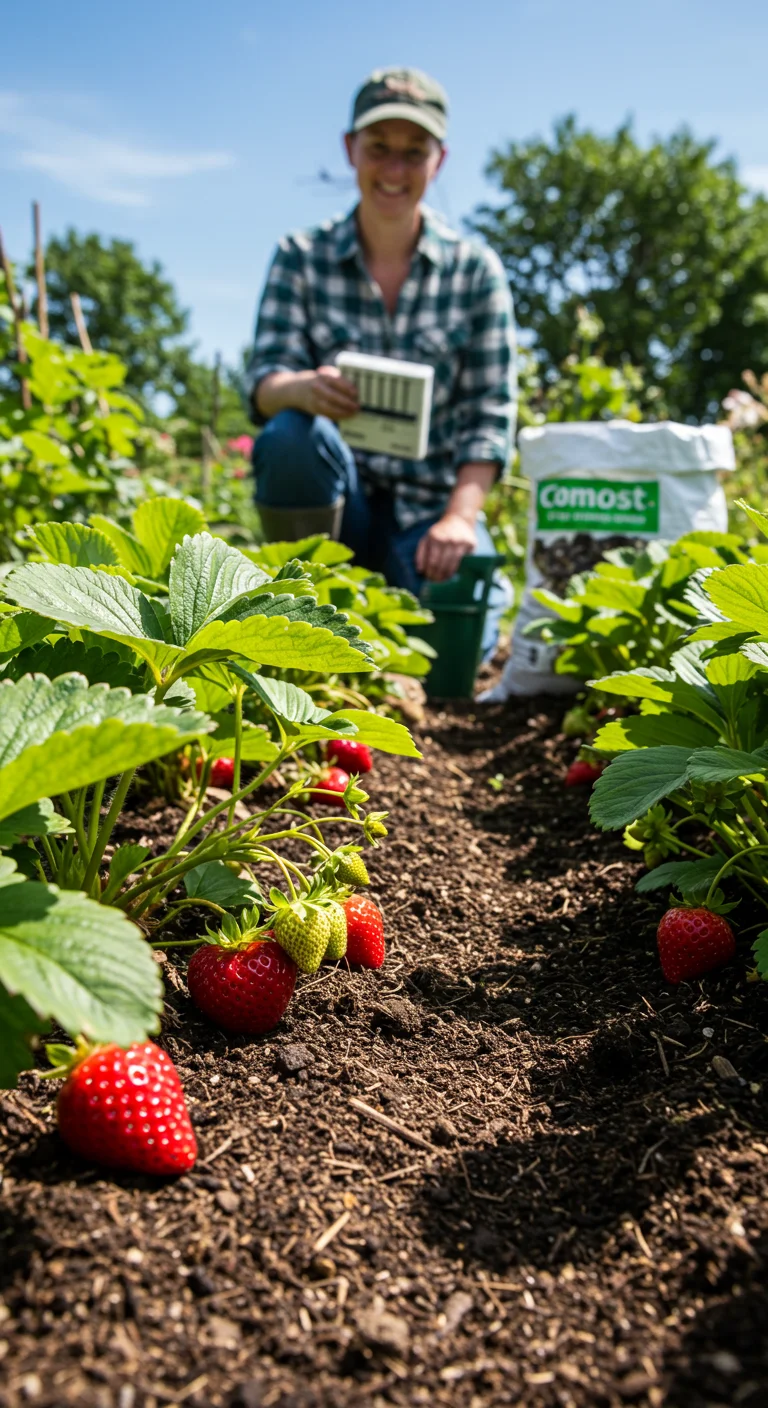
Ignoring soil health is one of the most critical mistakes gardeners make when cultivating strawberries. Healthy soil is the foundation for thriving plants, as it provides essential nutrients, improves drainage, and supports beneficial microorganisms. Before planting, conduct a soil test to assess pH levels and nutrient content, aiming for a slightly acidic pH of 5.5 to 6.5. Incorporate organic matter, such as compost or well-rotted manure, to enhance soil structure and fertility. Regularly amend the soil with organic fertilizers to sustain nutrient levels throughout the growing season. By prioritizing soil health, you create an ideal environment for your strawberry plants, ultimately leading to bigger yields and sweeter, juicier fruit.
2. Overwatering: The Silent Killer of Strawberry Plants
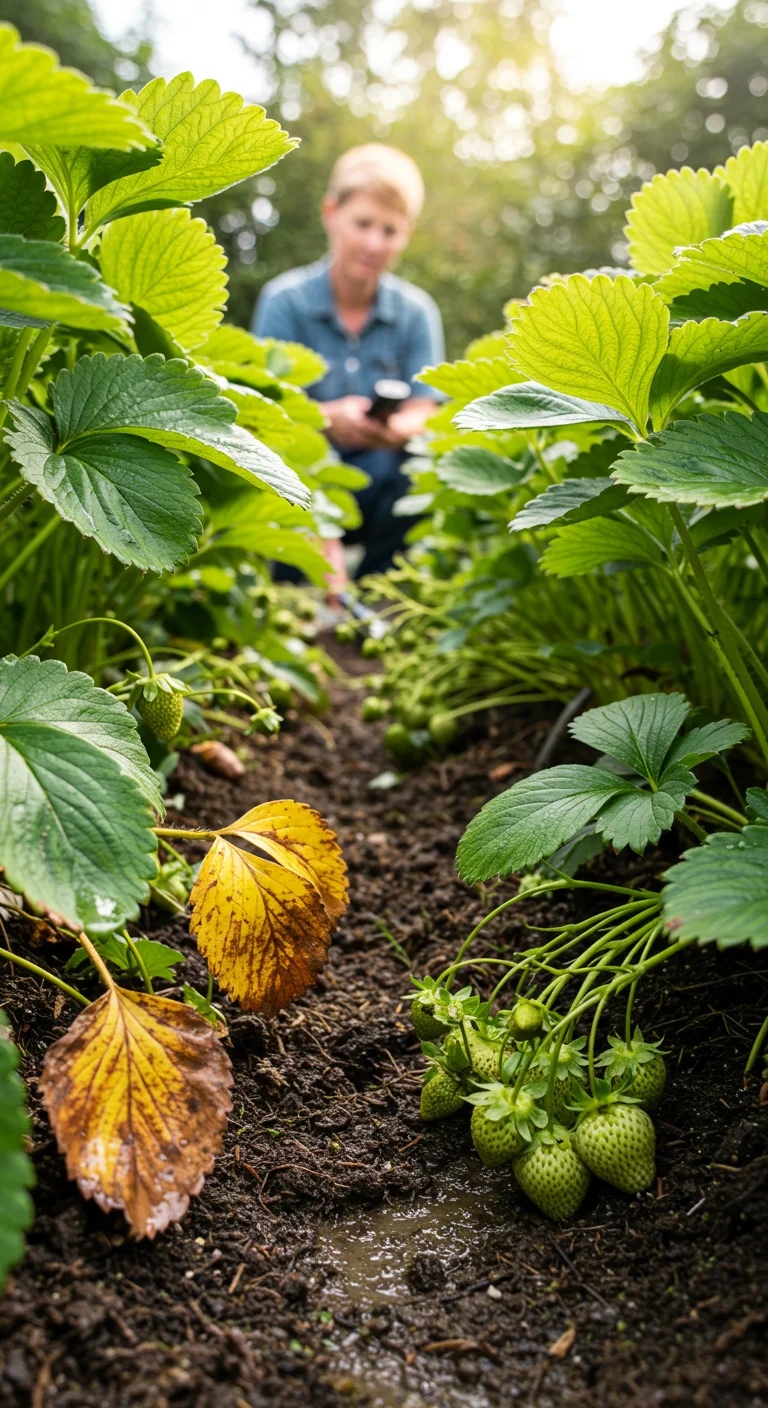
Overwatering is often an underestimated threat to strawberry plants, leading to root rot and other detrimental conditions. When soil is excessively saturated, it deprives the roots of essential oxygen, causing them to suffocate and decay. Symptoms of overwatering include yellowing leaves, stunted growth, and a mushy root system, which can ultimately result in plant death. To prevent overwatering, ensure your strawberry beds have well-drained soil and consider using raised beds to facilitate proper drainage. Water only when the top inch of soil feels dry and strategically monitor weather conditions to adjust your watering schedule, especially during heavy rains. By practicing mindful watering, you can promote healthier plants that yield sweeter strawberries.
3. Neglecting Sunlight: Why Your Strawberries Need Their Daily Dose
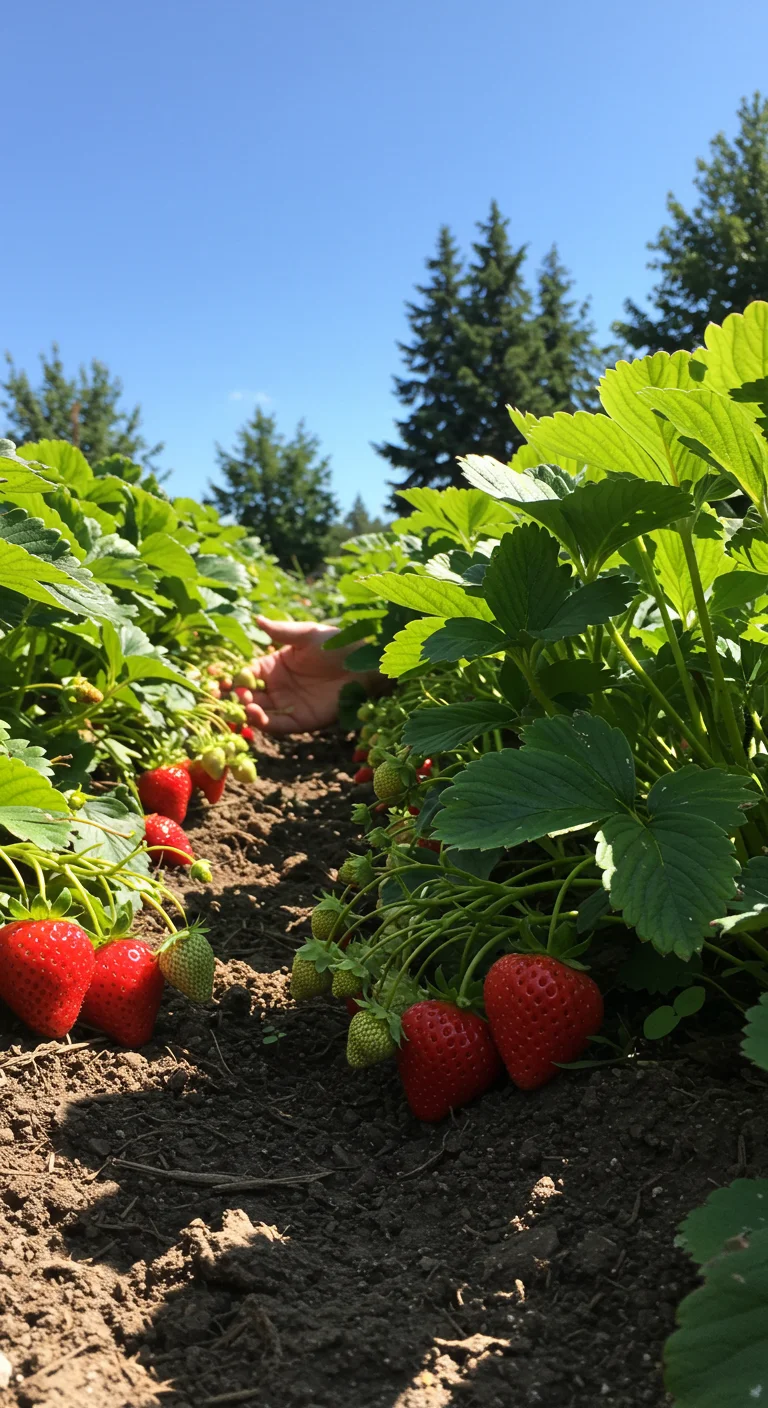
Neglecting sunlight is one of the most detrimental mistakes you can make when growing strawberries. These plants thrive in full sun, requiring at least 6 to 8 hours of direct sunlight each day to produce sweet, juicy fruit. Insufficient sunlight can lead to weak growth, poor flowering, and ultimately, low yields. When planning your strawberry garden, choose a location that receives ample light, avoiding areas shaded by trees or structures. Additionally, consider the time of year; in cooler climates, south-facing slopes can help maximize sun exposure. By ensuring your strawberries bask in their daily dose of sunshine, you will foster robust plants that yield delicious berries, making your gardening efforts truly rewarding.
4. Planting at the Wrong Time: Timing is Everything in Strawberry Gardening
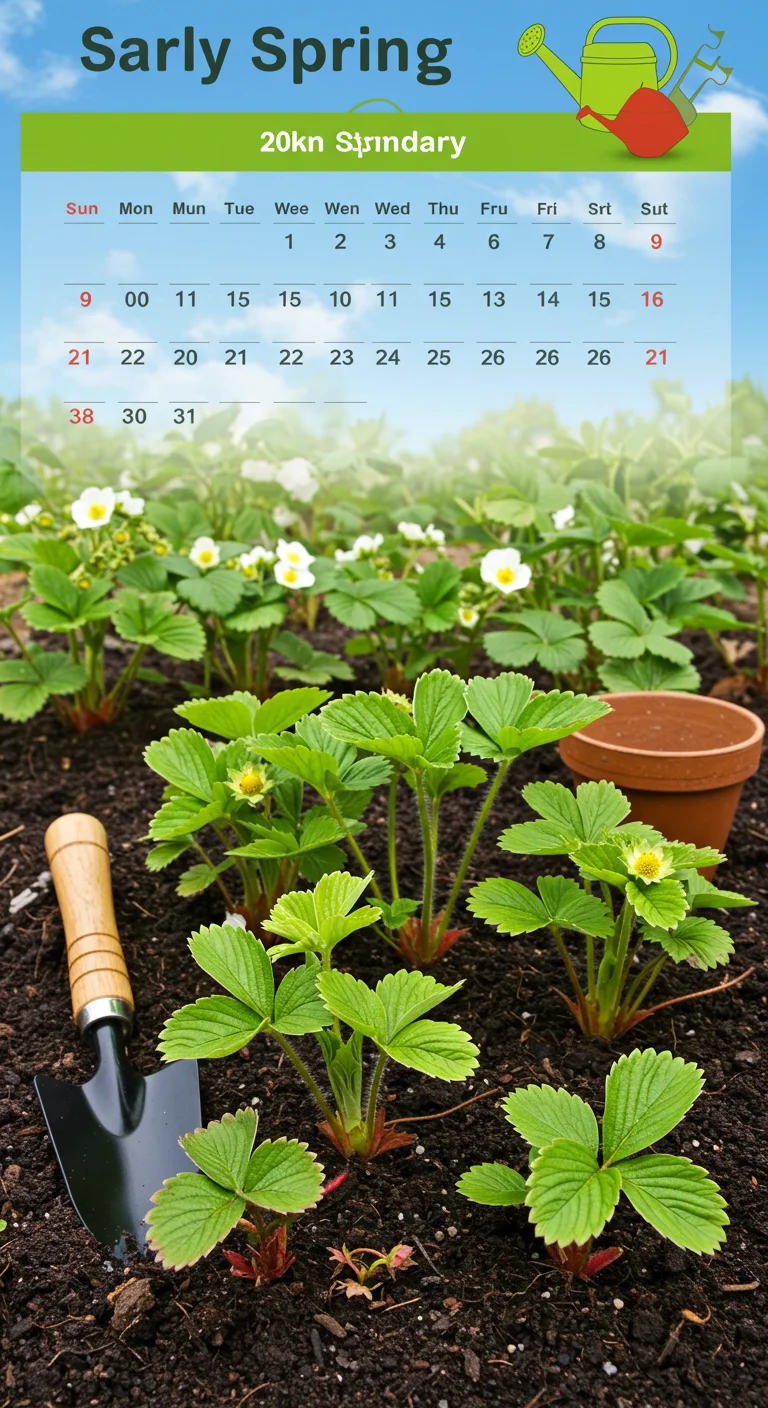
Planting strawberries at the wrong time can lead to disappointing results, as timing is crucial for their success. Ideally, strawberries should be planted in early spring or late fall, depending on your climate zone. This allows the plants to establish roots before the heat of summer or the chill of winter sets in. If planted too late in the season, the young plants may struggle to survive extreme temperatures, while planting too early can expose them to frost damage. To ensure optimal growth, check your local frost dates and soil temperatures, and consider starting your strawberry plants indoors if necessary. Remember, proper timing not only enhances growth but also improves fruit quality and yield.
5. Choosing the Wrong Varieties: Not All Strawberries Are Created Equal
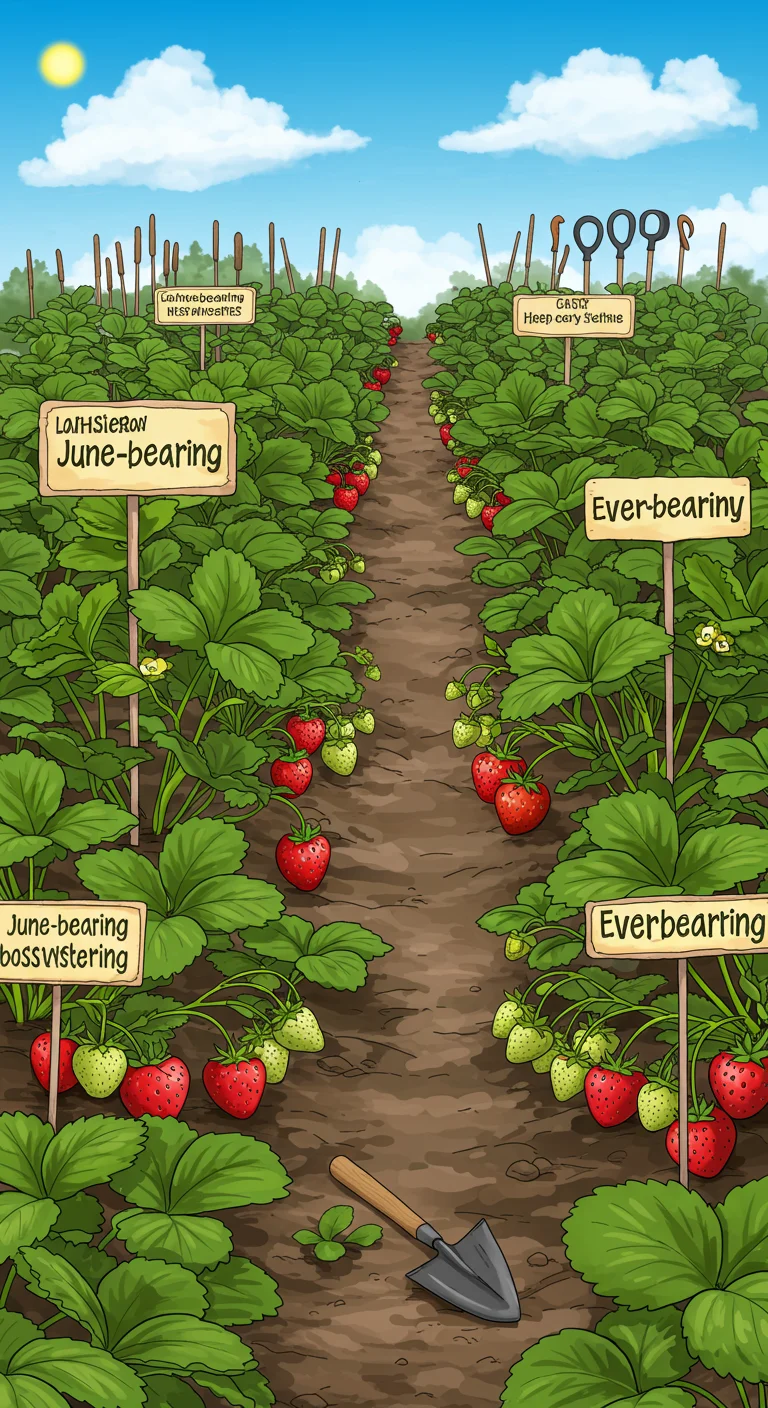
When it comes to strawberry gardening, selecting the right variety is crucial, as not all strawberries thrive equally in different climates, soils, and growing conditions. For instance, June-bearing strawberries produce a single, large harvest in late spring, making them ideal for those who want a bountiful crop at once, while everbearing and day-neutral varieties can yield throughout the growing season, perfect for continuous snacking. Additionally, consider disease resistance and local pest challenges; some varieties are more susceptible to pests and diseases than others. Researching your local climate and soil conditions before purchasing can save you time and frustration, ensuring you choose varieties that will flourish in your garden and produce delicious fruit for years to come.
6. Skipping Mulching: The Secret to Moisture Retention and Weed Control
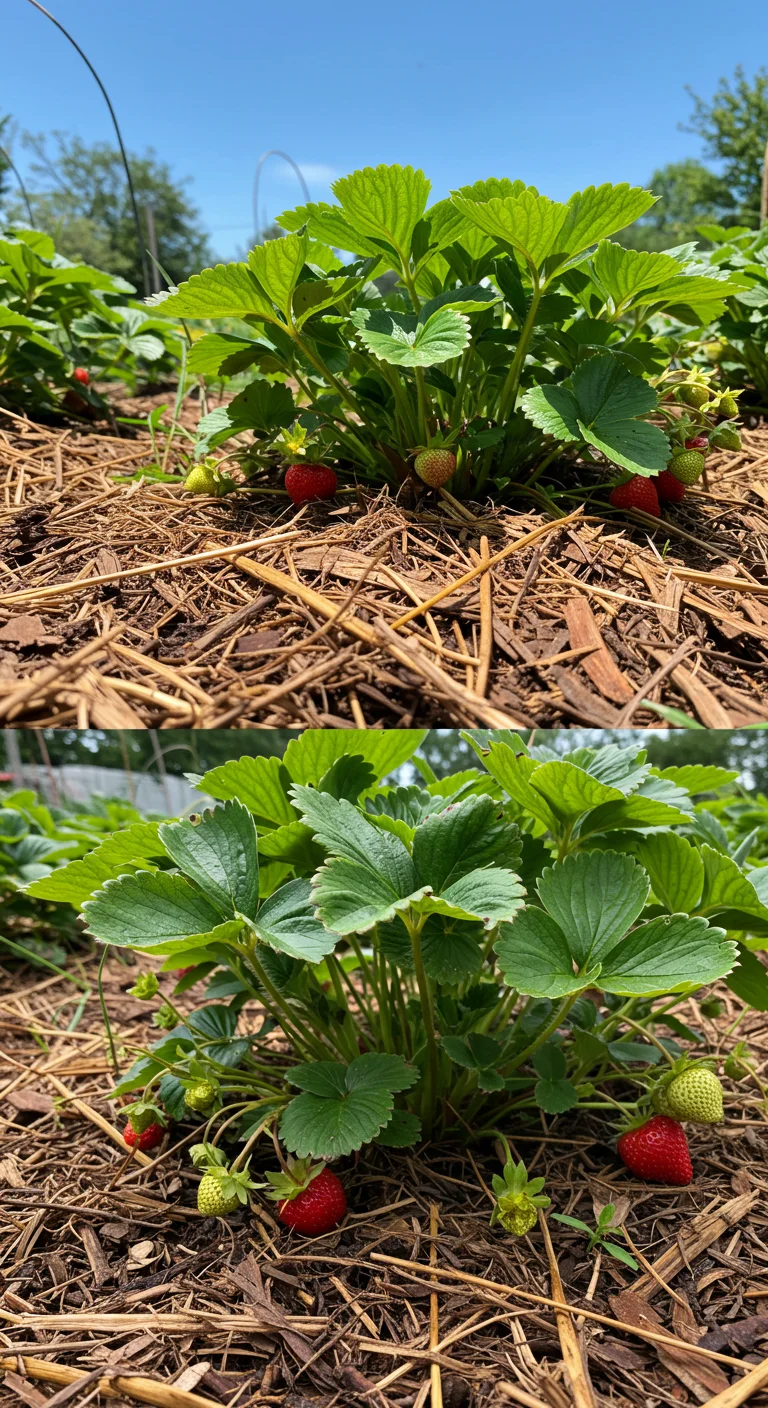
Skipping mulching is a common mistake that can severely impact the health of your strawberry plants. Mulch acts as a protective layer, retaining soil moisture by reducing evaporation and regulating soil temperature, which is crucial for strawberry development. It also suppresses weed growth, eliminating competition for nutrients and water. Without mulch, you may find yourself frequently watering your plants, which can lead to inconsistent moisture levels and stress on the plants. To effectively mulch, consider using organic materials like straw, wood chips, or grass clippings, which not only conserve moisture but also gradually enrich the soil as they decompose. By incorporating a proper mulch layer, you can create an optimal environment for your strawberries to thrive, ultimately enhancing both yield and fruit quality.
7. Failing to Prune: The Key to Healthy Growth and Abundant Yields
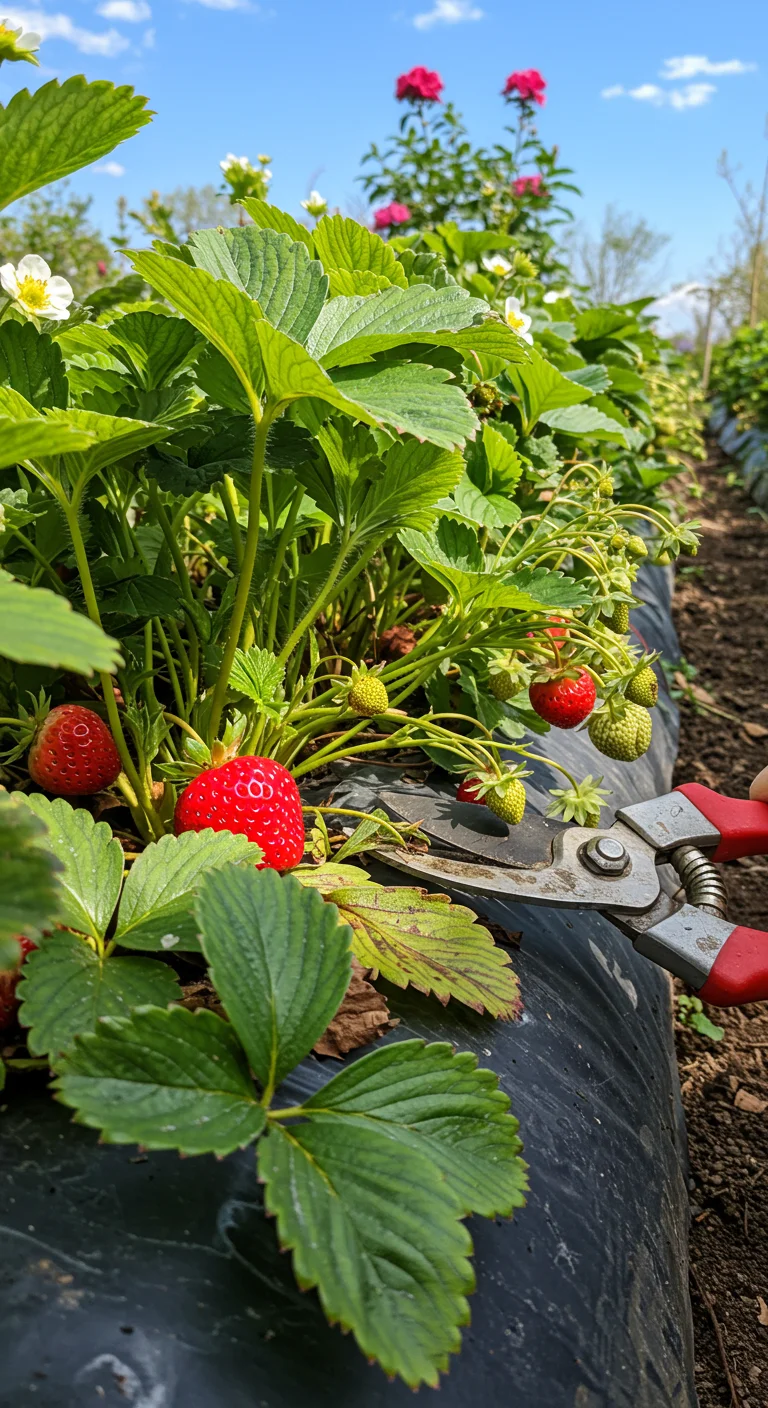
Pruning is essential for strawberry plants to thrive and produce abundant yields. Failing to prune not only leads to overcrowding, but also promotes the spread of diseases and pests that can devastate your crop. Regularly removing dead or diseased leaves, runners, and any unproductive flowers encourages healthier growth and directs the plant’s energy into producing high-quality fruit. Ideally, you should prune strawberries in early spring, before the plants begin to flower. This practice not only improves air circulation and sunlight penetration but also helps in maintaining a manageable plant size. By committing to a consistent pruning schedule, you’ll ensure that your strawberry plants remain vigorous and fruitful throughout the growing season.
8. Ignoring Pests and Diseases: Protecting Your Precious Berries
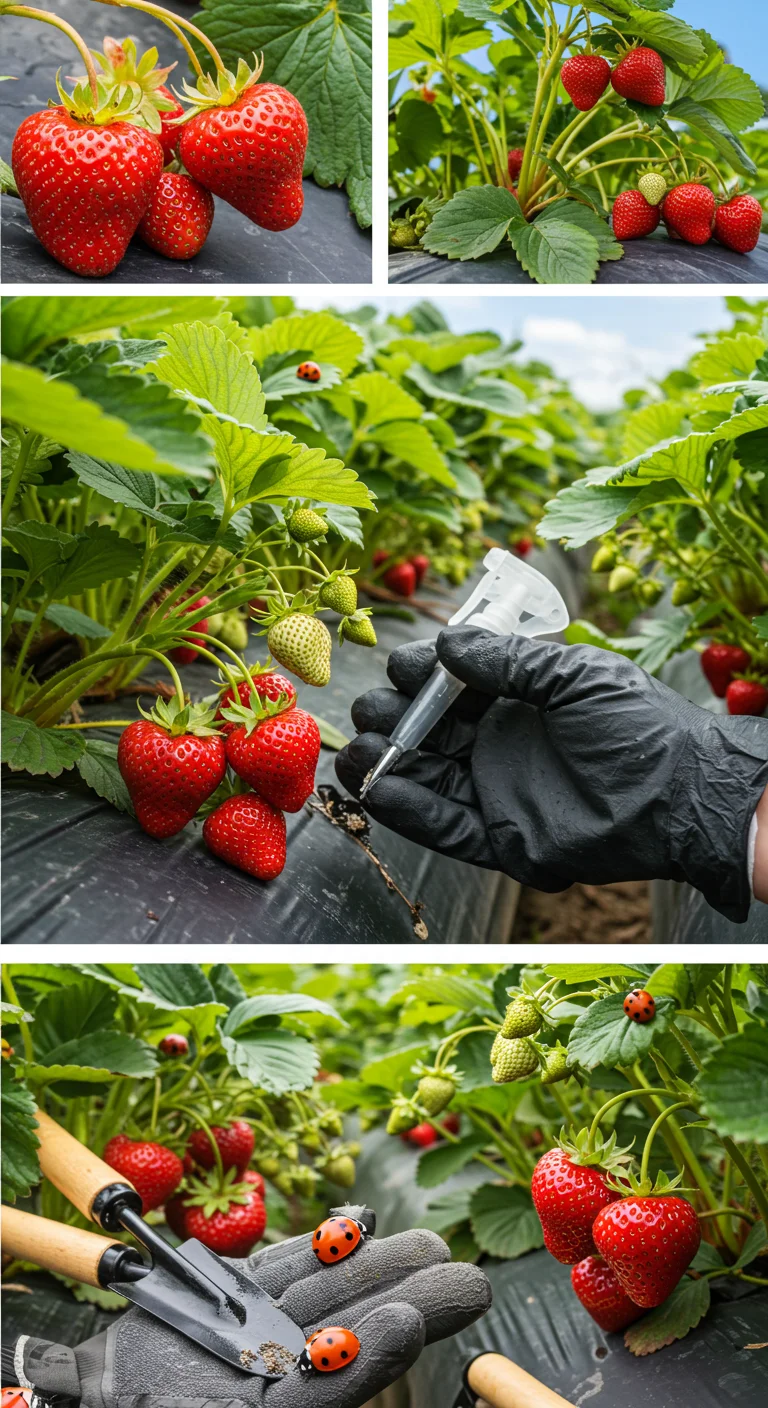
Ignoring pests and diseases is a critical mistake that can devastate your strawberry crop. Regularly inspect your plants for signs of trouble, such as wilting leaves, discolored fruit, or visible pests like aphids and spider mites. Implementing preventative measures, such as using row covers and companion planting, can deter pests before they become a problem. Additionally, maintain good garden hygiene by removing any dead or diseased plant material. If you do spot a pest or disease, act quickly with organic pesticides or fungicides, and consider introducing beneficial insects like ladybugs that prey on harmful pests. By staying vigilant and proactive, you can protect your precious berries and ensure a healthy, bountiful harvest.
9. Overfertilizing: The Dangers of Too Much Nutrients
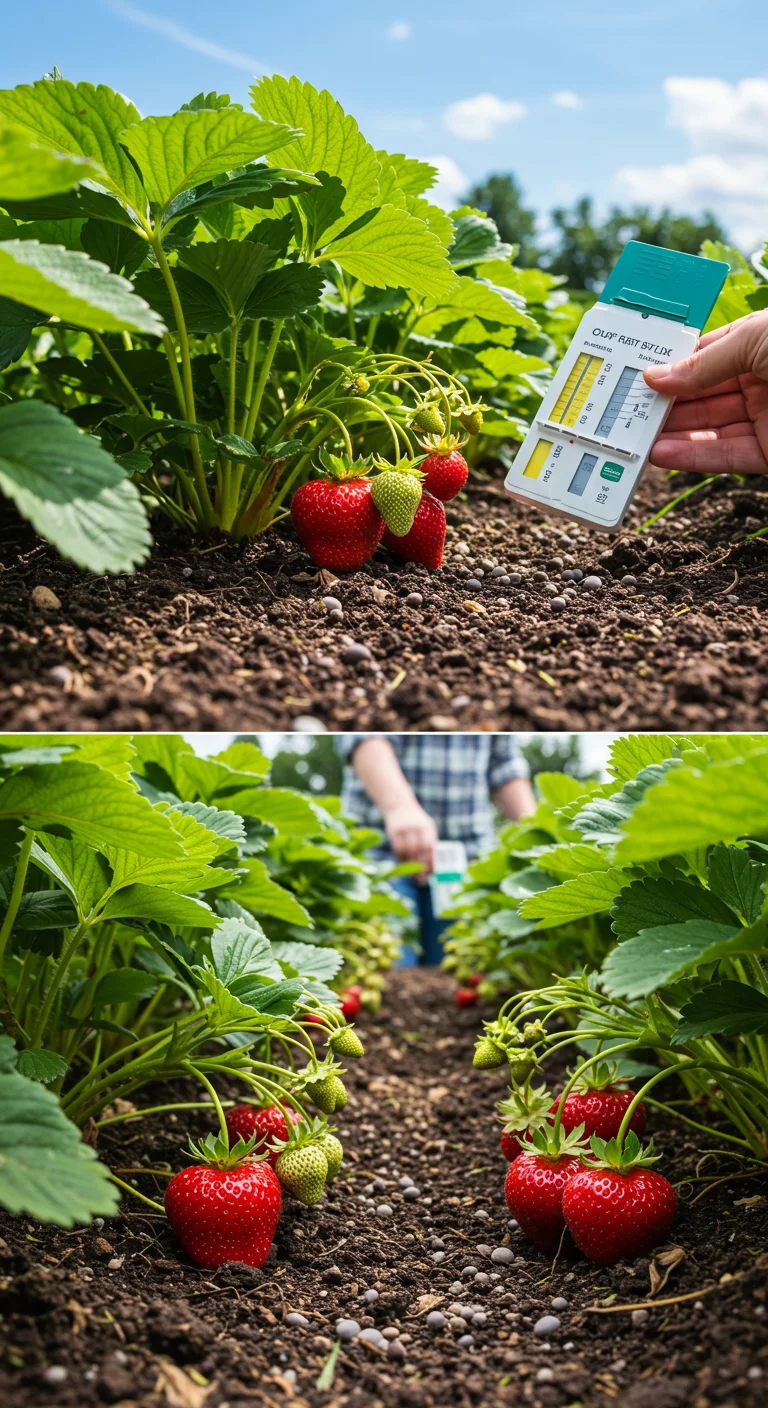
Overfertilizing is a common mistake among strawberry gardeners that can lead to serious consequences for plant health and fruit production. Excess nutrients, particularly nitrogen, can cause lush foliage growth at the expense of fruit development, resulting in fewer and less flavorful strawberries. Furthermore, high nutrient levels can lead to salt buildup in the soil, which can damage root systems and reduce their ability to absorb water effectively. To avoid these pitfalls, it’s essential to follow a balanced fertilization schedule, using soil tests to determine nutrient needs and applying fertilizers at recommended rates. Remember, less can be more when it comes to nurturing your strawberry plants.
10. Underestimating Harvest Time: Knowing When to Pick for Peak Flavor
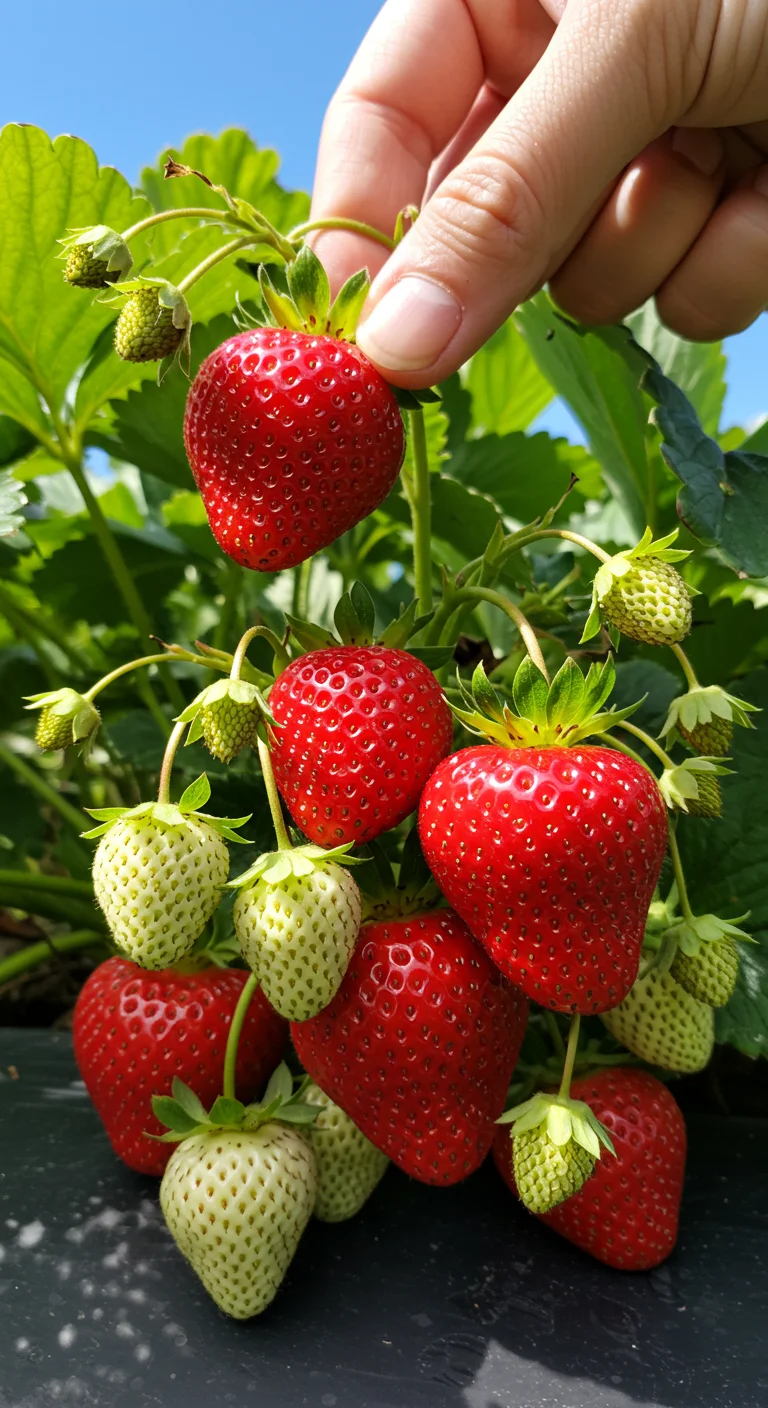
One of the most critical mistakes strawberry gardeners make is underestimating the timing of their harvest. Picking strawberries too early can result in bland, sour fruit, while waiting too long can lead to overripe berries that spoil quickly. To ensure peak flavor, observe the color and firmness of the fruit; ripe strawberries should be a vibrant red, free of white or green patches, and should yield slightly to gentle pressure. Additionally, taste-testing a few berries can help you determine the ideal harvest window. Generally, strawberries are ready to be harvested about 60 days after planting, depending on the variety. Monitoring weather conditions, like humidity and temperature, can also affect the sweetness of the berries, so keep an eye on the forecast during harvesting season for the best results.